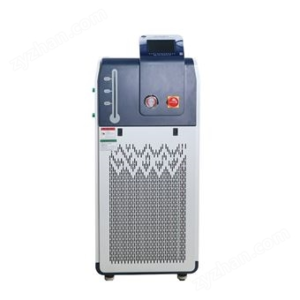
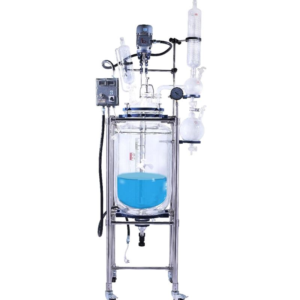
Introduction to Laboratory Rotary Evaporator
A laboratory rotary evaporator, also known as a rotary evaporator or rotavap, is an essential laboratory instrument used for efficient solvent evaporation, concentration, and purification. It is widely applied in chemistry, pharmaceutical research, biotechnology, food science, environmental testing, and academic laboratories.
Compared with traditional evaporation methods, a rotary evaporator can remove solvents faster and more gently under controlled vacuum conditions. This helps protect heat-sensitive samples and improves experimental efficiency.
] We Will Provide A Detailed Introduction During The Video Conference Later.[/caption
What Is a Laboratory Rotary Evaporator?
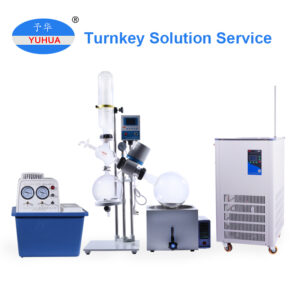
A laboratory rotary evaporator is a device that uses rotation and vacuum technology to increase evaporation efficiency. The system usually consists of several main components:
- Rotary flask
- Heating bath
- Condenser
- Vacuum system
- Motor drive unit
- Collection flask
- Temperature control system
During operation, the sample flask rotates continuously inside a heated water or oil bath. The rotation creates a thin liquid film on the flask wall, increasing the evaporation surface area. Under vacuum pressure, solvents evaporate at lower temperatures and are then condensed and collected.
Working Principle of Laboratory Rotary Evaporator
The working principle of a rotary evaporator is based on vacuum evaporation technology.
The evaporation process includes four main steps:
1. Heating
The heating bath provides a stable temperature source to warm the sample solution.
2. Rotation
The rotating flask spreads the liquid into a thin film, which significantly increases evaporation efficiency.
3. Vacuum Reduction
The vacuum pump lowers the system pressure, reducing the boiling point of solvents.
4. Condensation and Recovery
The evaporated solvent enters the condenser, where it is cooled and converted back into liquid form for collection.
Working Principle of Laboratory Rotary Evaporator
The working principle of a rotary evaporator is based on vacuum evaporation technology.
The evaporation process includes four main steps:
1. Heating
The heating bath provides a stable temperature source to warm the sample solution.
2. Rotation
The rotating flask spreads the liquid into a thin film, which significantly increases evaporation efficiency.
3. Vacuum Reduction
The vacuum pump lowers the system pressure, reducing the boiling point of solvents.
4. Condensation and Recovery
The evaporated solvent enters the condenser, where it is cooled and converted back into liquid form for collection.
Main Applications of Laboratory Rotary Evaporators
1. Chemical Research
Rotary evaporators are widely used in chemical laboratories for solvent removal, compound concentration, and sample preparation.
2. Pharmaceutical Development
In pharmaceutical laboratories, rotary evaporators help concentrate active ingredients and remove organic solvents during drug development processes.
3. Natural Product Extraction
They are commonly used for extracting and concentrating plant extracts, essential oils, and natural compounds.
4. Food and Beverage Industry
Rotary evaporation technology helps concentrate flavors, aromas, and sensitive food ingredients without damaging their properties.
5. Academic and Research Laboratories
Universities and research institutes use rotary evaporators for chemistry experiments, teaching, and scientific research.
Key Features to Consider When Choosing a Laboratory Rotary Evaporator
When selecting a rotary evaporator, several factors should be considered:
1. Evaporation Capacity
Different laboratories require different flask sizes. Common models include 1L, 2L, 5L, and larger capacities.
2. Temperature Control Accuracy
Precise temperature control ensures stable evaporation performance and protects sensitive samples.
3. Vacuum Performance
A reliable vacuum system improves evaporation speed and solvent recovery efficiency.
4. Condenser Design
High-efficiency condensers provide better solvent recovery and reduce solvent loss.
5. Safety Features
Modern rotary evaporators may include overload protection, dry-running protection, and automatic lifting systems.
Conclusion
A laboratory rotary evaporator is an indispensable instrument for modern laboratories requiring efficient solvent evaporation and sample concentration. With advanced vacuum technology, precise temperature control, and reliable performance, rotary evaporators provide an effective solution for chemical, pharmaceutical, biotechnology, and research applications.
Choosing the right rotary evaporator based on capacity, temperature accuracy, vacuum performance, and safety features can significantly improve laboratory efficiency and experimental results.