

Vacuum Pump
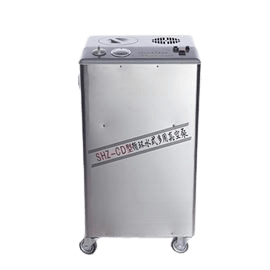
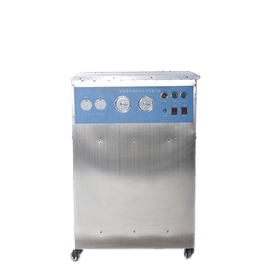
Water‑circulating vacuum pump, also known as water‑ring vacuum pump, is a vacuum‑generating device.
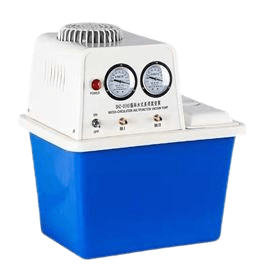
Developed on the basis of multi‑purpose water‑circulating vacuum pump and considering the limited space of laboratories, this circulating pump is improved by referring to Japanese desktop‑style pumps. Its housing is one‑piece molded with reduced overall size. It features compact volume, light weight and attractive appearance.
Models with dual gauges & dual suction ports, as well as four‑gauge & four‑suction‑port versions are available. Both sides of the pump are identically configured, so power‑on and power‑off operations can be performed from either side. Equipped with dual suction ports, the unit can work independently or in parallel connection.
Detailed Description
Water‑Circulating Vacuum Pump
The water‑circulating vacuum pump, also known as the water‑ring vacuum pump, is a vacuum‑evacuating device. Developed on the basis of the multi‑purpose water‑circulating vacuum pump and optimized for limited laboratory space, this circulating pump draws on the design of Japanese desktop pumps. It adopts a one‑piece molded housing with reduced overall size. Featuring compact structure, light weight and attractive appearance, it is available in dual‑gauge dual‑suction‑port and four‑gauge four‑suction‑port versions. Both sides of the pump have identical configurations, allowing power‑on and power‑off operations from either side. Equipped with dual suction ports and two vacuum gauges, the unit can operate independently or in parallel. The main body is manufactured with two types of inner assemblies: stainless steel and anti‑corrosion material. It delivers corrosion resistance, zero pollution, low noise and easy mobility. A vacuum regulating valve can be installed upon customer request. Designed based on the principle of negative pressure generated by jet flow, it uses circulating water as the working fluid and serves as a multi‑purpose vacuum pump.
Working Principle
Water is adopted as the working medium. Different from jet‑type air ejectors, the water‑circulating vacuum pump is a centrifugal mechanical pump. An impeller rotor with forward‑curved blades is eccentrically installed inside the cylindrical pump housing. When the impeller rotates, working water forms a rotating water ring along the pump housing under centrifugal force. Due to the eccentric installation of the impeller, the water ring moves relative to the blades, causing periodic volume change of the space between every two adjacent blades. This is similar to a liquid “piston” performing radial reciprocating motion inside the blade cascade.
For instance, as the blades on the right side rotate from the upper‑right position downwards, the liquid “piston” between two blades is pushed outward by centrifugal force. The inter‑blade space expands gradually and reaches its maximum volume at the bottom position, so gas is sucked in through the axial suction port 4. As the blades rotate upward from the bottom to the upper‑left position, the liquid “piston” moves toward the shaft center, and the inter‑blade space shrinks gradually. The inhaled gas is compressed and discharged through the exhaust port 6. With steady rotation of the impeller, each chamber repeats volume variation, and the suction and exhaust processes continue continuously.
Operation Instructions
- Preparation Place the multi‑purpose water‑circulating vacuum pump horizontally on the workbench. For first‑time use, open the water tank cover and fill it with clean cold water (water can also be added via the drain hose). Stop filling when the water level approaches the underside of the overflow nozzle at the rear of the water tank. No refilling is required for subsequent startup. Replace the water at least once a week. Shorten the water‑change interval under heavy‑duty or heavily‑polluted conditions to keep the water tank clean.
- Vacuum Evacuation Firmly fit the suction sleeve of the target equipment onto the suction nozzle of this pump. Turn off the circulation switch, connect the power supply and switch on the unit to start vacuum evacuation. Check the vacuum degree via the corresponding vacuum gauge for the suction nozzle.
- Long‑time Continuous Operation During prolonged continuous operation, rising water temperature inside the tank will degrade vacuum performance. Connect the drain hose to tap‑water supply and use the overflow nozzle as the water outlet. Properly adjust tap‑water flow to stabilize water temperature and maintain consistent vacuum degree.
- Supply of Circulating Cooling Water for Reaction Devices Based on Step 3 above, connect the inlet and outlet hoses of the cooling target equipment to the circulating‑water outlet nozzle and inlet nozzle on the rear of the pump respectively. Turn the circulating‑water switch to ON, and circulating cooling water will be supplied.
Frequently Asked Questions (FAQ)
1. What is a vacuum pump?
A vacuum pump is a device used to remove air or gas from a sealed system to create and maintain a vacuum environment. It is widely used in laboratory experiments, chemical processing, pharmaceutical production, vacuum drying, distillation, and other industrial applications.
2. What equipment can be used with a vacuum pump?
Vacuum pumps can be used with a wide range of equipment, including rotary evaporators, glass reactors, vacuum filtration systems, vacuum drying ovens, distillation equipment, and other laboratory or industrial systems that require vacuum conditions.
3. How do I choose the right vacuum pump?
When selecting a vacuum pump, you should consider the required vacuum level, pumping speed, system volume, operating conditions, application requirements, and the type of gas or vapor being processed. Our technical team can recommend a suitable model based on your specific equipment and application.
4. What types of vacuum pumps are available?
Common types of vacuum pumps include water circulating vacuum pumps, diaphragm vacuum pumps, rotary vane vacuum pumps, and other specialized vacuum systems. Different types are suitable for different vacuum levels and applications.
5. Can the vacuum pump operate continuously?
Yes, many vacuum pumps are designed for continuous operation. However, the operating time and maintenance requirements may vary depending on the pump model, working conditions, and application.
6. What maintenance is required for a vacuum pump?
Regular maintenance may include checking the vacuum level, cleaning filters, inspecting seals and connections, replacing lubricating oil when required, and ensuring proper cooling and ventilation. Proper maintenance helps extend the service life of the vacuum pump.
Related Products
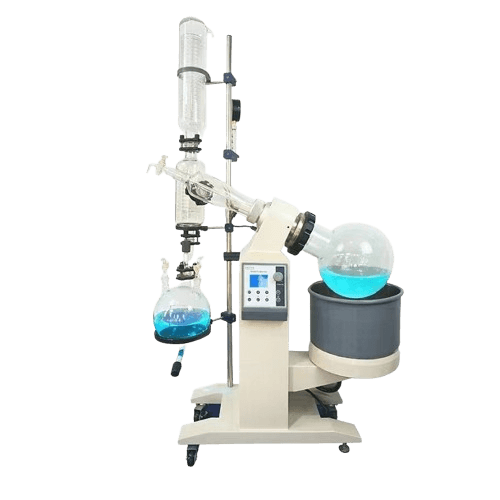
Rotary Evaporator | Efficient Vacuum Evaporation & Solvent Recovery
Rotary Evaporator
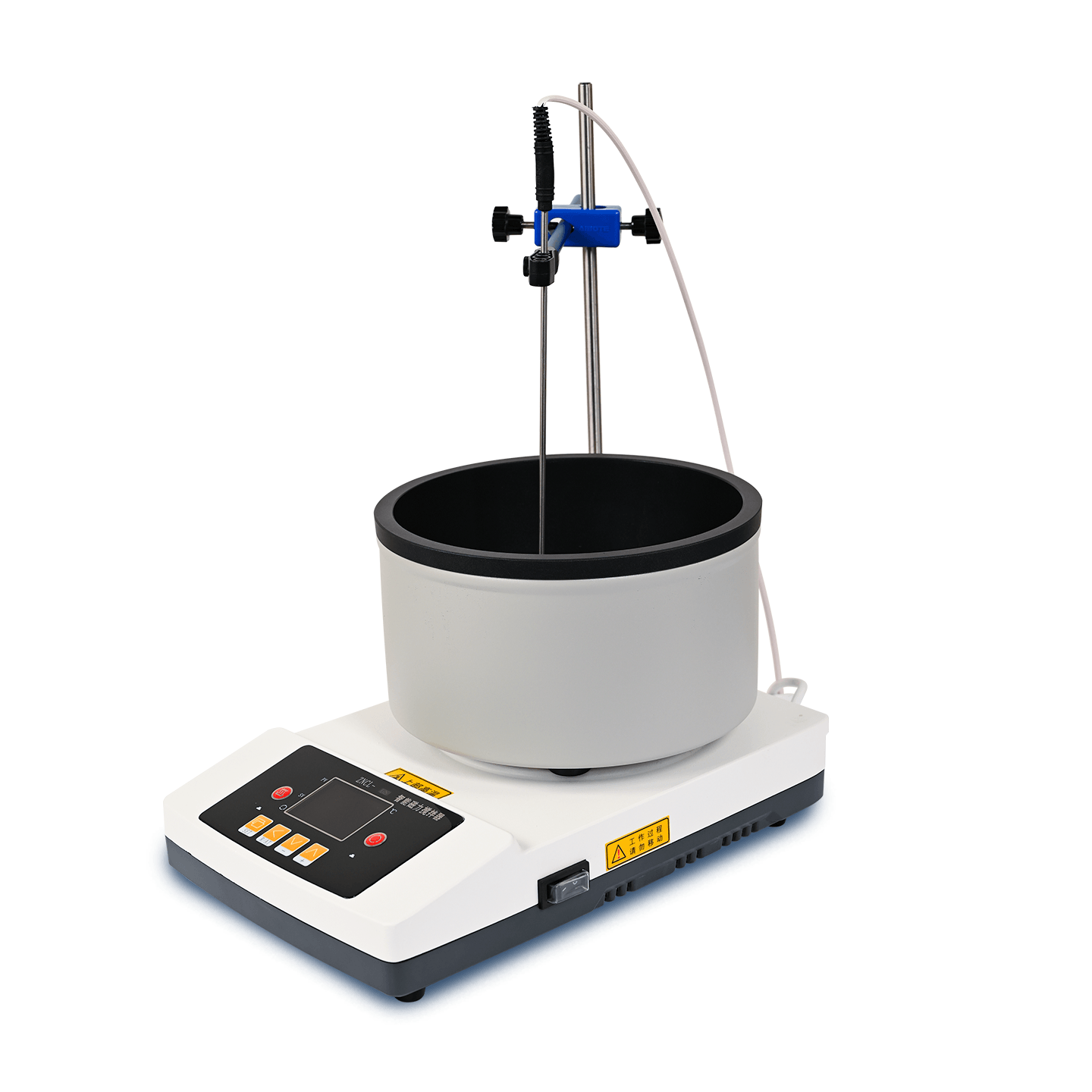
Stirring Device
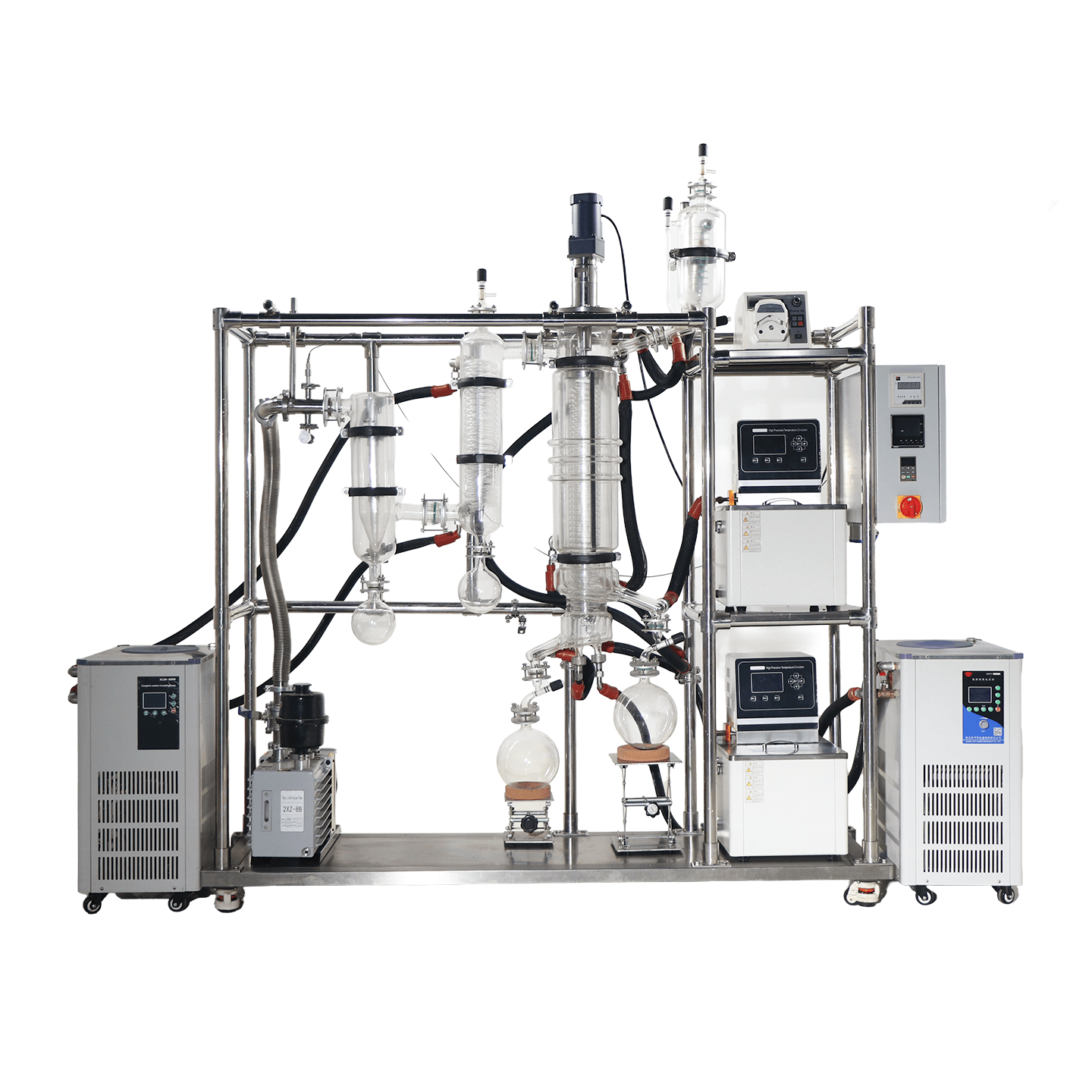
Molecular Distillation Unit
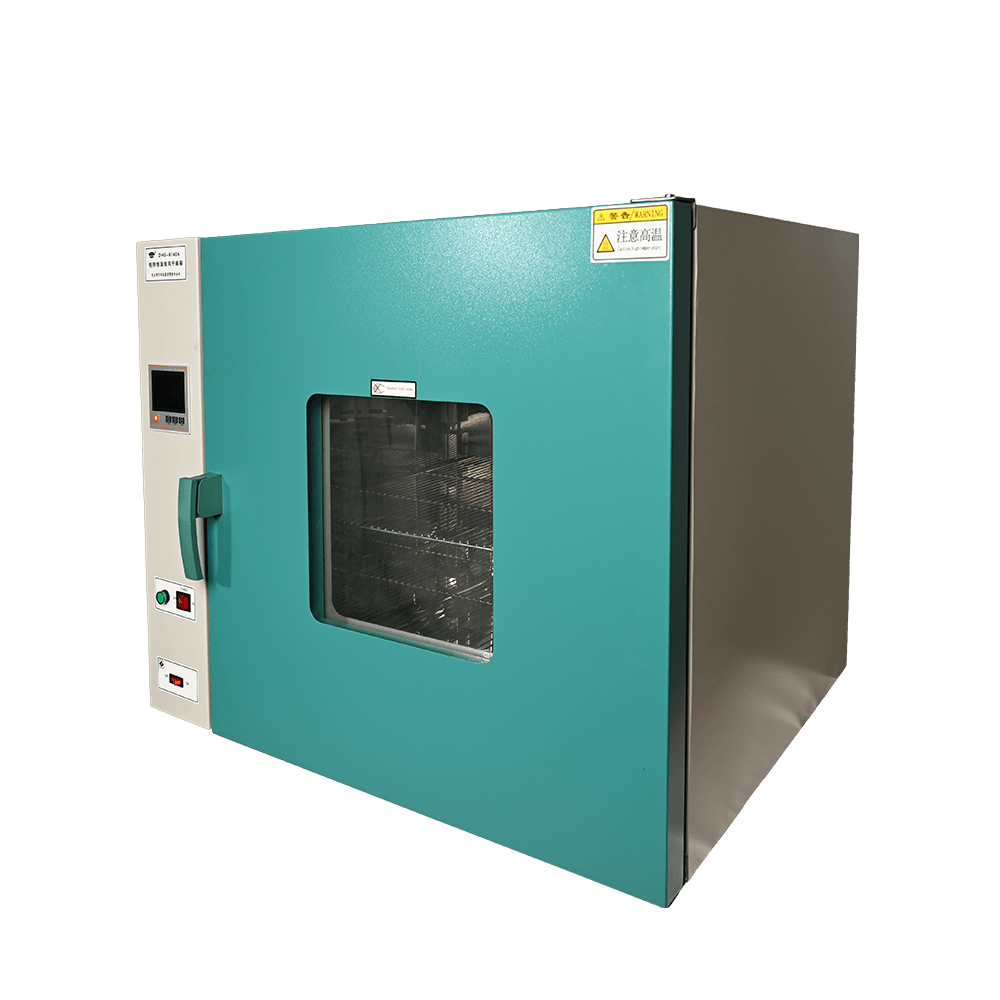
Drying Oven
Service Details

ISO International Management System Certification
ISO certified to ensure product quality and reliable performance

Environmental Management System Certification
Committed to environmental protection and sustainable development.

CE Certification
Certified to meet European safety, health, and environmental protection standards
- 40+ Years of Experience
- 200+ Skilled Employees
- 10,000+ Customer Cases
- 30+ Technical Experts
- 100+ Countries Served
- Global Project Experience