


Drying Oven

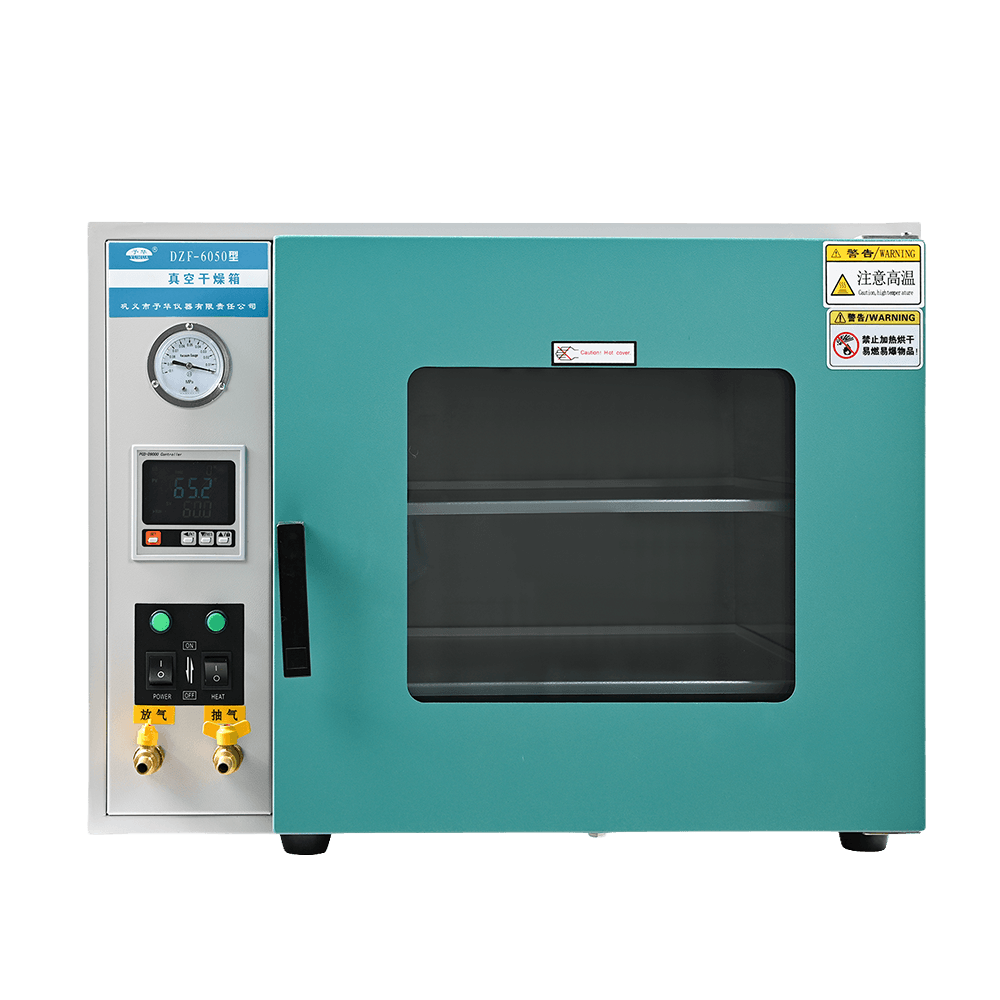
The electric blast drying oven adopts electric heating to carry out blast‑circulation drying tests. It has two working modes: blast drying and vacuum drying. In blast‑drying mode, hot air is blown out by a circulating fan to ensure uniform temperature inside the chamber. In vacuum‑drying mode, a vacuum pump extracts air from the chamber to lower the internal pressure below atmospheric pressure, enabling sample tests under a clean environment. As a commonly‑used laboratory instrument, it is mainly applied for sample drying.

Detailed Description

Electric Blast Drying Oven

The electric blast drying oven performs blast‑circulation drying tests by means of electric heating. It supports two working modes: blast drying and vacuum drying. For blast drying, hot air is circulated by a circulating fan to ensure uniform temperature inside the chamber. For vacuum drying, a vacuum pump evacuates air from the chamber to keep internal pressure below atmospheric pressure, allowing samples to be tested under a clean condition. As a widely‑used laboratory instrument, it is mainly used for sample drying and can also provide temperature‑controlled environments required for experiments.

Drying ovens are applied in chemical, pharmaceutical, foundry, automotive, food, machinery and other industries. They are generally categorized by inner‑chamber material (galvanized steel sheet or stainless steel), air‑circulation mode (natural convection or forced blast circulation), and type (standard oven or vacuum oven).

Cabinet Structure of Electric Blast Drying Oven

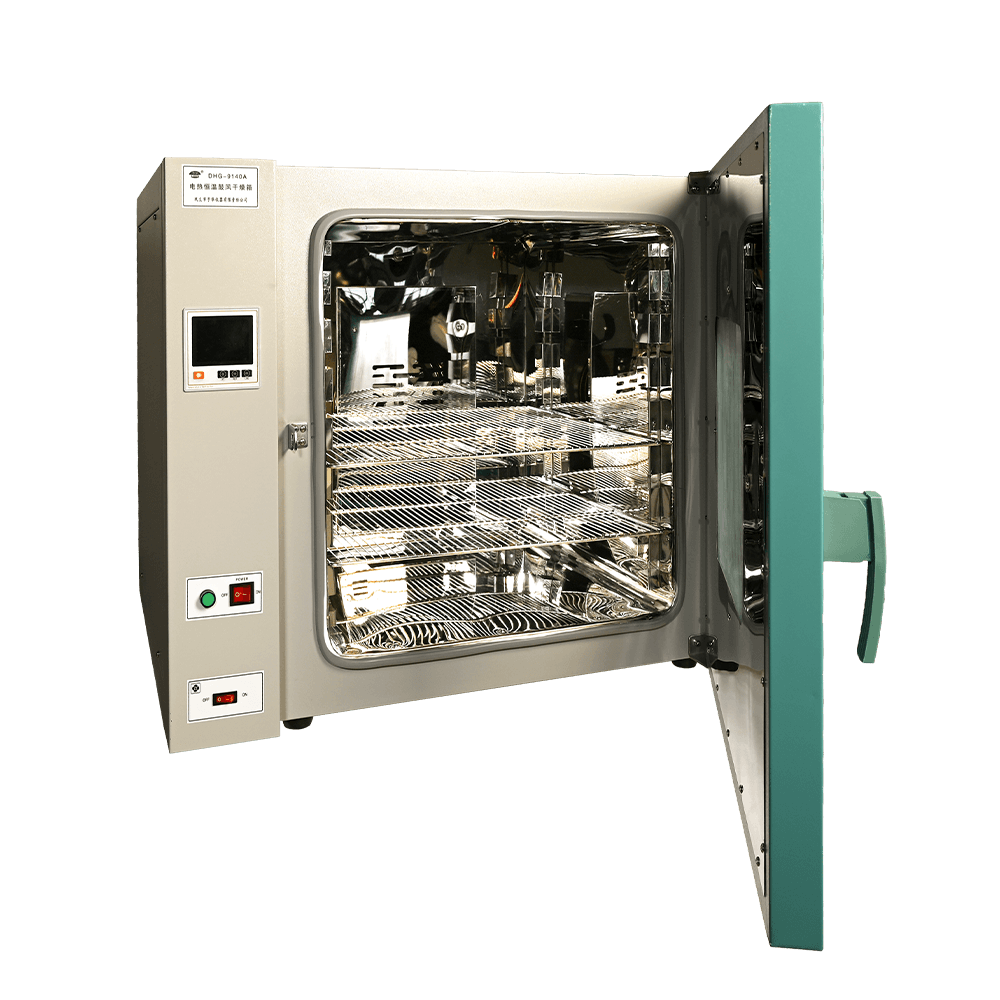
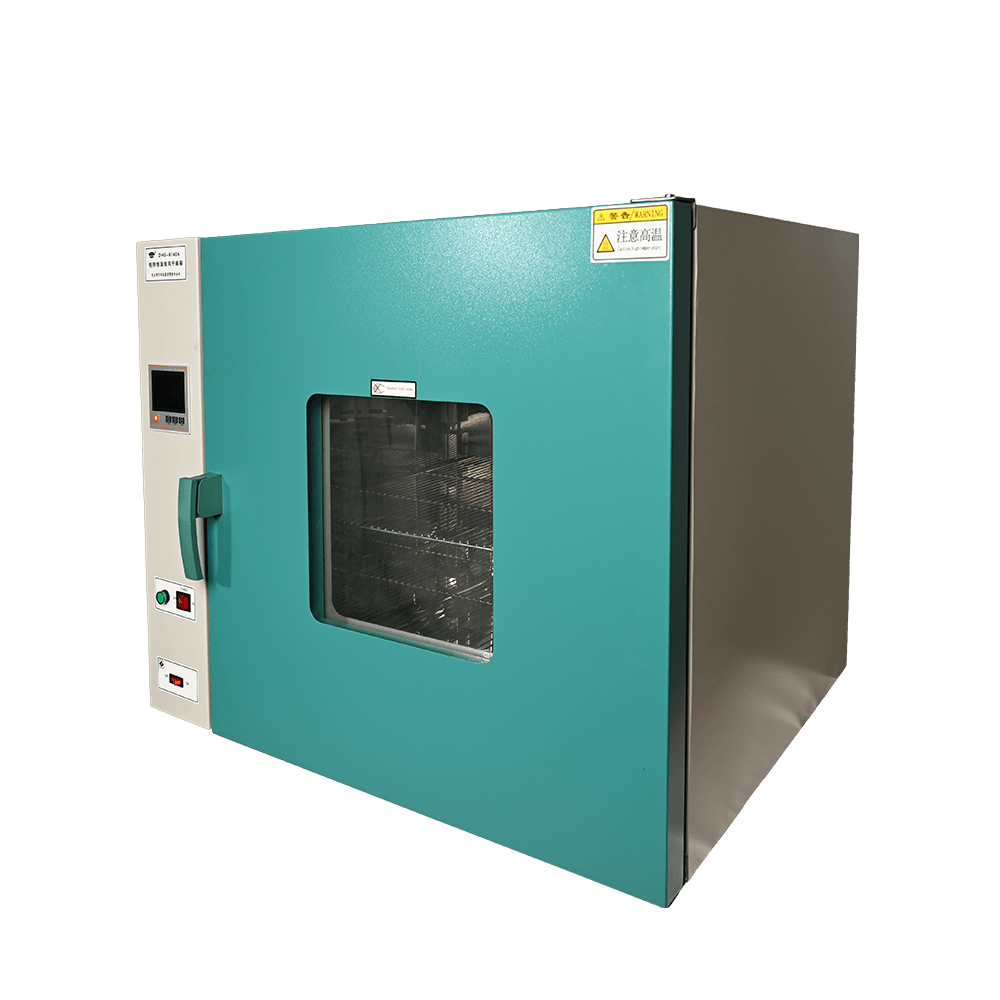
Well‑designed cabinet manufactured by CNC machine tools. The upward‑opening door facilitates easy operation.

The inner chamber is made of SUS304 stainless steel plate, while the outer shell is A3 steel plate with plastic‑sprayed coating for a smooth and attractive appearance.

The electrical‑system compartment adopts a door‑opening design for convenient maintenance and inspection.

The tightness of the cabinet door is adjustable. The integrally‑formed silicone rubber door gasket guarantees good sealing performance of the chamber.

Storage, heating, testing and drying processes can be carried out in oxygen‑free or inert‑gas‑filled atmospheres to prevent oxidation.

Control & Execution System

  • Temperature controller: touch‑key operation, LED digital display, PID intelligent control instrument
  • Temperature sensor: Pt100 platinum resistance

Protection System

The complete protection system consists of over‑temperature protection and alarm devices, which protects both execution components and test samples from damage.

Frequently Asked Questions (FAQ)

1. What is a Molecular Distillation Unit?

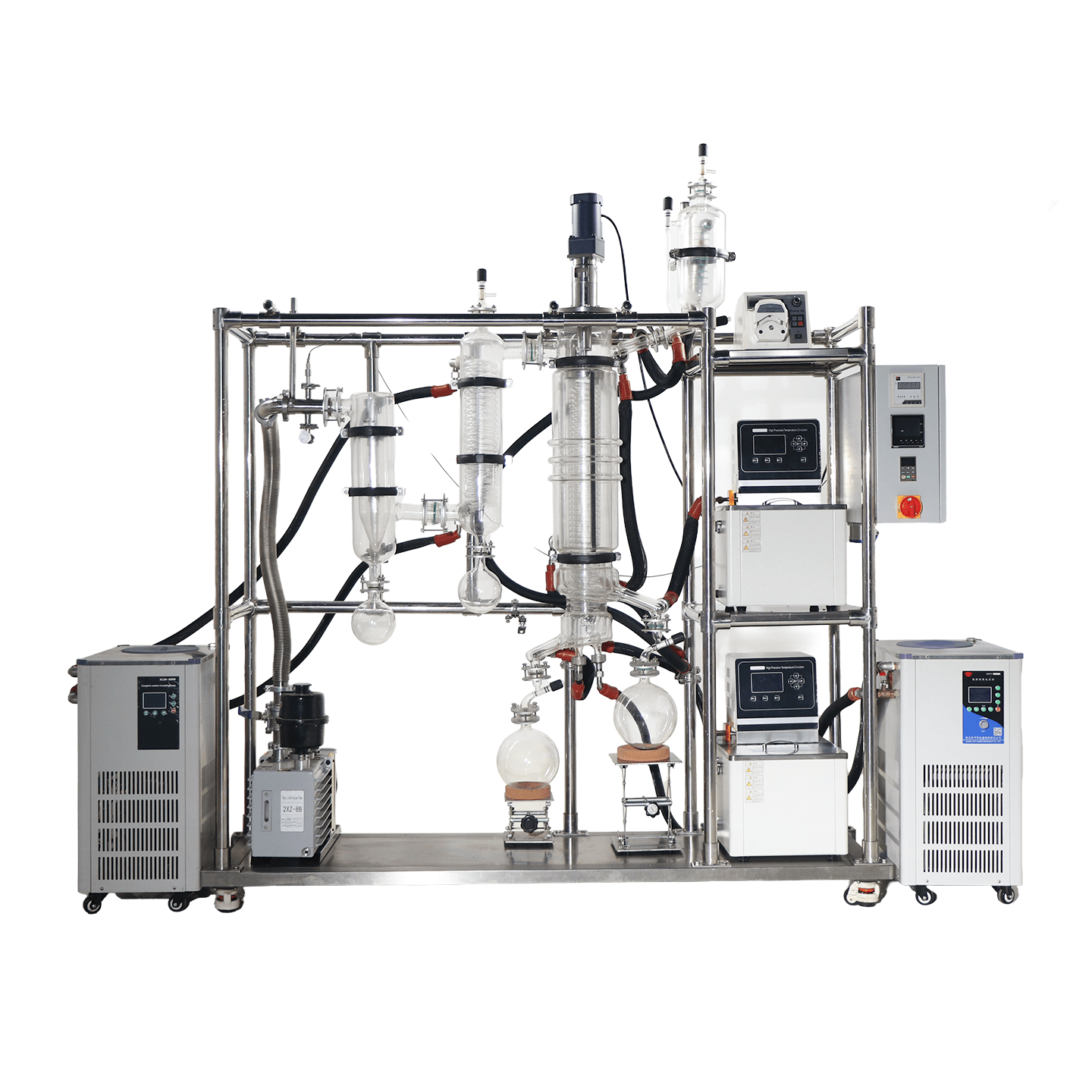
A Molecular Distillation Unit is a high-vacuum separation system designed to separate and purify heat-sensitive and high-boiling materials. It operates under extremely low pressure, allowing materials to be distilled at relatively low temperatures and with short residence times.

Molecular distillation works by creating a high-vacuum environment that reduces the evaporation temperature of the material. The feed material forms a thin film on the heated evaporation surface, where volatile components evaporate and travel a short distance to the condenser. The condensed components are then collected separately.

Molecular distillation is suitable for a wide range of heat-sensitive and high-boiling materials, including essential oils, plant extracts, natural products, fatty acids, fish oil, vegetable oils, pharmaceuticals, chemical intermediates, and other specialty products.

Compared with conventional distillation, molecular distillation operates under much higher vacuum conditions and uses a very short distance between the evaporation surface and condenser. This allows materials to be separated at lower temperatures with shorter processing times, making it particularly suitable for heat-sensitive materials.

A high vacuum significantly reduces the boiling or evaporation temperature of materials. This helps minimize thermal degradation and improves the separation of high-boiling and heat-sensitive compounds.

The main advantages include:

  • High vacuum operation
  • Low operating temperature
  • Short material residence time
  • Reduced thermal degradation
  • Efficient separation and purification
  • Suitable for heat-sensitive materials
  • Continuous processing capability

Related Products


    *We respect your confidentiality and all information are protected.

    Service Details

    Isso

    ISO International Management System Certification

    ISO certified to ensure product quality and reliable performance
    En

    Environmental Management System Certification

    Committed to environmental protection and sustainable development.

    Ce

    CE Certification

    Certified to meet European safety, health, and environmental protection standards

    Facebook
    WhatsApp
    LinkedIn
    Email
    Scroll to Top