
Rotary Evaporator
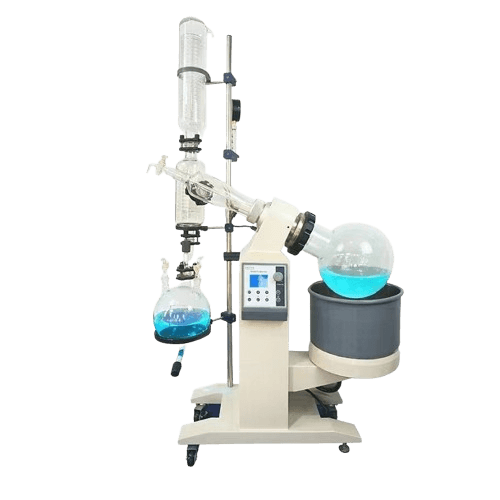
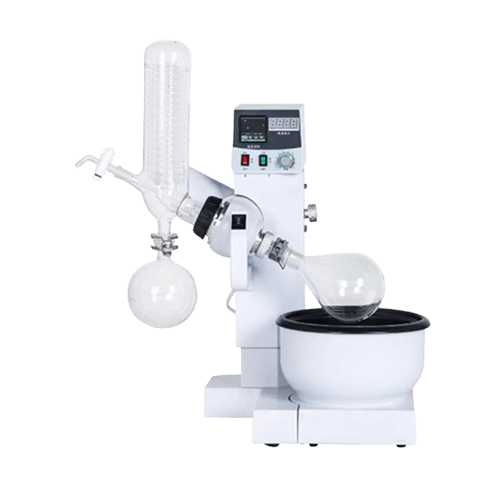
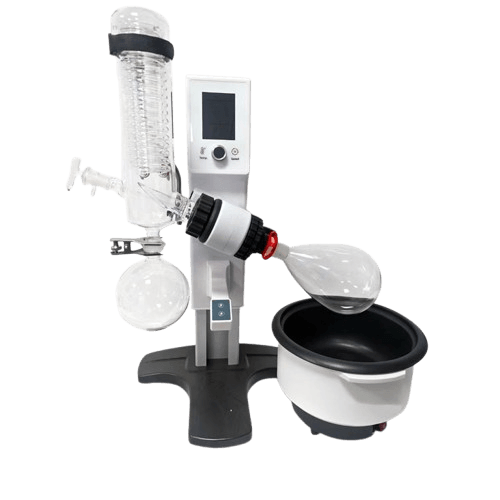
Rotary evaporator is mainly used for concentration, crystallization, drying, separation and solvent recovery in pharmaceutical, chemical and biopharmaceutical industries. Under vacuum condition, the material is heated at constant temperature while the rotating flask spins at a constant speed. A large‑area thin film of material forms on the flask wall to achieve high‑efficiency evaporation. Solvent vapor is cooled by a high‑efficiency glass condenser and collected in the receiving flask, which greatly improves evaporation efficiency. It is especially suitable for concentration and purification of biological products that are prone to decomposition and denaturation under high‑temperature conditions.
Detailed Description
Working Principle
Rotary Evaporatoris equipped with a stirring system, reflux condensation system, dropping system, and heating system. While the materials are being stirred, the heating bath heats the materials inside the reactor. Under vacuum conditions, the evaporation efficiency can be improved (a vacuum system is required). The solvent vapor is cooled into liquid when passing through the glass condenser coil (a cooling circulation system is required). The condensed liquid can either flow back into the reactor for reflux or be recovered through the valve at the bottom of the reflux elbow.
After the reaction is completed, the material can be discharged through the side outlet at the bottom of the reactor. This series of products needs to be used together with auxiliary equipment such as a vacuum system and cooling circulation system to form a complete reactor system.
Product Features
1. The equipment adopts a unique structural design. The whole machine is made of a cold-rolled steel plate with electrostatic powder coating and a stainless steel frame structure. It features a compact, strong, deformation-resistant design and is easy to move.
2. All parts in contact with the materials are made of high borosilicate glass (expansion coefficient 3.3) and PTFE (polytetrafluoroethylene) materials. The materials have stable performance, are resistant to chemical reactions with processing materials, and provide safe and convenient operation.
3. Equipped with an explosion-proof variable speed control box, which displays the stirring speed and material temperature inside the reactor. The explosion-proof stirring motor and explosion-proof heating bath allow precise temperature setting and control. Explosion-proof grade: EX d IIB T4.
4. The stirring system adopts ceramic bearings and mechanical seals to prevent wear particles from the stirring shaft. It features high-temperature resistance, excellent wear resistance, and reliable sealing performance.
5. Equipped with a PT100 temperature sensor and a glass thermometer protection tube for accurate temperature monitoring.
6. The vacuum pressure gauge displays the real-time vacuum level with a pointer indicator.
7. The reactor uses a crescent-shaped stirring paddle made of 304 stainless steel + PTFE. The stirring shaft is made of 304 stainless steel and covered with a PTFE tube, providing high strength and excellent corrosion resistance.
8. The discharge valve is made of glass + PTFE, featuring a side discharge design with no liquid residue, allowing fast and convenient solvent recovery.
9. The constant-temperature heating bath is equipped with a built-in heating coil. The heating bath has an independent temperature control system, providing high temperature control accuracy.
10. The bottom of the heating bath is equipped with a drain outlet, making liquid replacement and maintenance convenient.
11. The bottom of the machine is equipped with universal casters with brakes, allowing the entire unit to be moved easily and providing convenient operation.
Product Features
| Item | Specification |
|---|---|
| Model | YDF-200LEX |
| Effective Reactor Volume (L) | 200L |
| Reactor Body Specification | Cylindrical Type |
| Voltage | Stirring: 220V 50Hz; Heating: 380V 50Hz |
| Total Power | 15.5 kW |
| Glass Components Material | High Borosilicate Glass 3.3 |
| Reactor Temperature Range | -80℃ to +250℃ |
| Temperature Measurement Accuracy | ±1℃ |
| Constant Pressure Dropping Funnel Volume | 3L |
| Constant Pressure Dropping Funnel Specification | Upper port: 29# ground glass joint; Lower port: 40# ground glass joint |
| Condenser Specification | Φ160 × 850H (mm), lower Φ40mm flange port |
| Condenser Circulation Connection Size | Barb outer diameter: 12mm |
| Condenser Heat Exchange Area | Approx. 1㎡ |
| Allowable Pressure Inside Reactor | -0.1 to 0.0 MPa |
| Explosion-Proof Heating Bath | — |
| Heating Power | 15 kW |
| Temperature Control Range | Room Temperature – 180℃ |
| Temperature Control Accuracy | ±1℃ |
| Explosion-Proof Stirring Motor | — |
| Rated Power | 550W |
| Speed Adjustment Method | Variable Frequency Speed Control |
| Speed Range | 0~600 rpm/min |
| Reactor Lid Openings | Six ports (340mm) |
| Stirring Port | 60# flange port |
| Constant Pressure Dropping Funnel Port | 40# ground glass joint |
| Temperature Sensor Port | 29# ground glass joint |
| Gas Exhaust / Liquid Inlet Port | 34# ground glass joint |
| Solid Feeding Port | 95# flange port |
| Condenser Connection Port | 50# spherical ground glass joint |
| Main Frame Material | SU304 Stainless Steel + Cold Rolled Steel Plate with Electrostatic Powder Coating |
| Stirring Paddle | Φ25 × 1400H (mm), Blade Width: 300mm |
| Temperature Sensor | PT100 temperature sensor, glass thermometer protection tube |
| Vent Valve | 34# glass + PTFE valve, vent port: 12mm |
| Vacuum Port Size | Barb outer diameter: 12mm |
| Discharge Valve | Zero-residual-liquid discharge valve, outlet outer diameter: 33mm |
| Discharge Valve Opening | 100# flange port |
| Operating Ambient Temperature | 5-35℃ |
| Machine Dimensions | 850L × 700W × 2150H (mm) |
Frequently Asked Questions (FAQ)
Q1: What is a rotary evaporator used for?
A rotary evaporator is mainly used for the efficient removal and recovery of solvents under reduced pressure. It is widely used for evaporation, concentration, distillation, solvent recovery, and sample preparation in laboratories and research facilities.
Q2: How does a rotary evaporator work?
A rotary evaporator works by rotating the evaporation flask under vacuum while it is heated in a water or oil bath. The reduced pressure lowers the boiling point of the solvent, allowing it to evaporate at a lower temperature. The vapor is then cooled by a condenser and collected in a receiving flask.
Q3: What are the main components of a rotary evaporator?
A typical rotary evaporator consists of an evaporation flask, rotating motor, heating bath, condenser, receiving flask, vacuum system, and lifting mechanism.
Q4: Why is vacuum used in a rotary evaporator?
The vacuum reduces the boiling point of the solvent, allowing evaporation at lower temperatures. This helps improve evaporation efficiency and protects heat-sensitive materials from thermal damage.
Q5: What solvents can be used with a rotary evaporator?
Rotary evaporators can be used with many common laboratory solvents, including ethanol, methanol, acetone, hexane, ethyl acetate, and other volatile organic solvents.
Q6: What is the difference between a rotary evaporator and a normal distillation system?
Compared with traditional distillation equipment, a rotary evaporator provides continuous flask rotation, vacuum operation, and a larger evaporation surface. This generally allows faster and more efficient solvent removal at lower temperatures.
Related Products
Rotary Evaporator | Efficient Vacuum Evaporation & Solvent Recovery
Rotary Evaporator
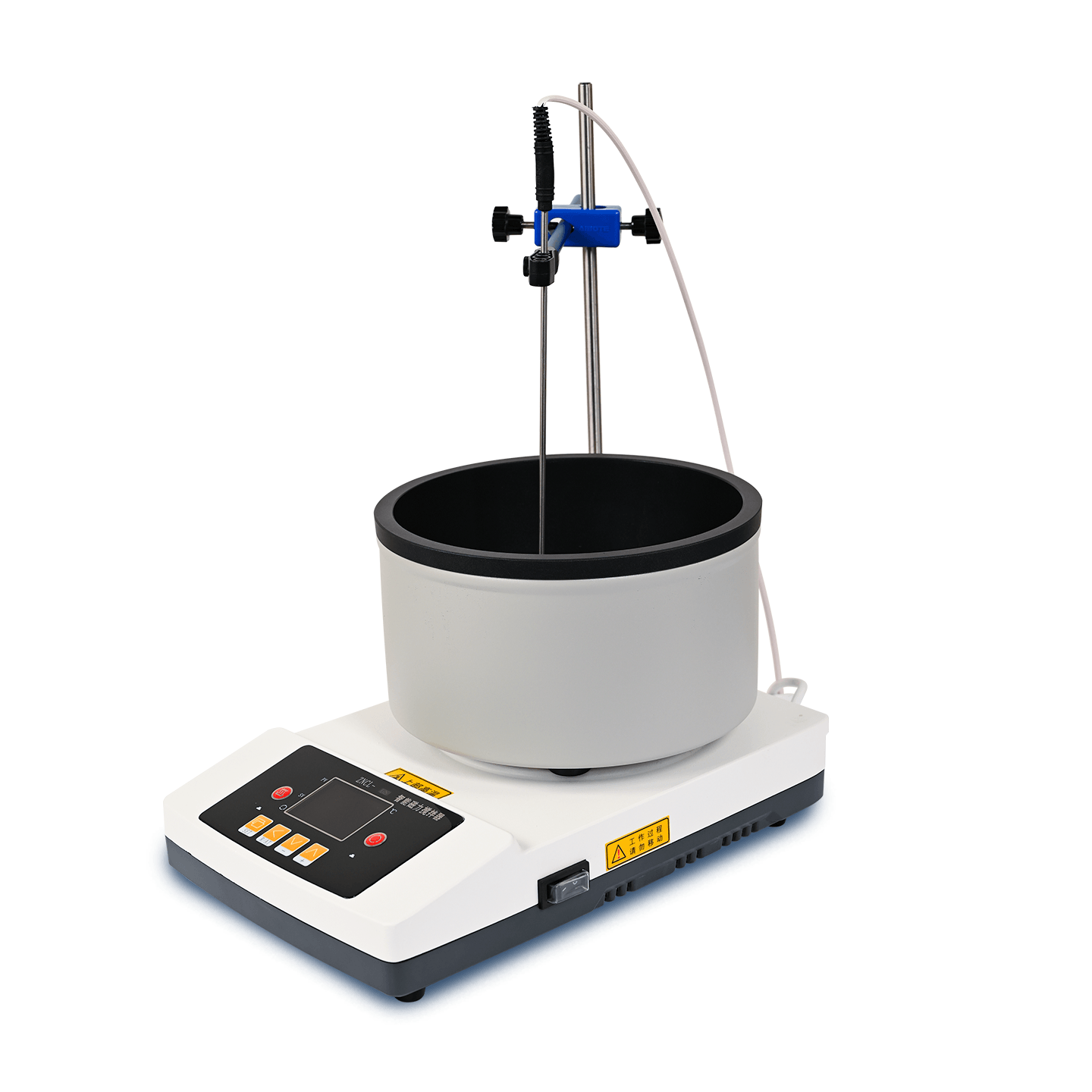
Stirring Device
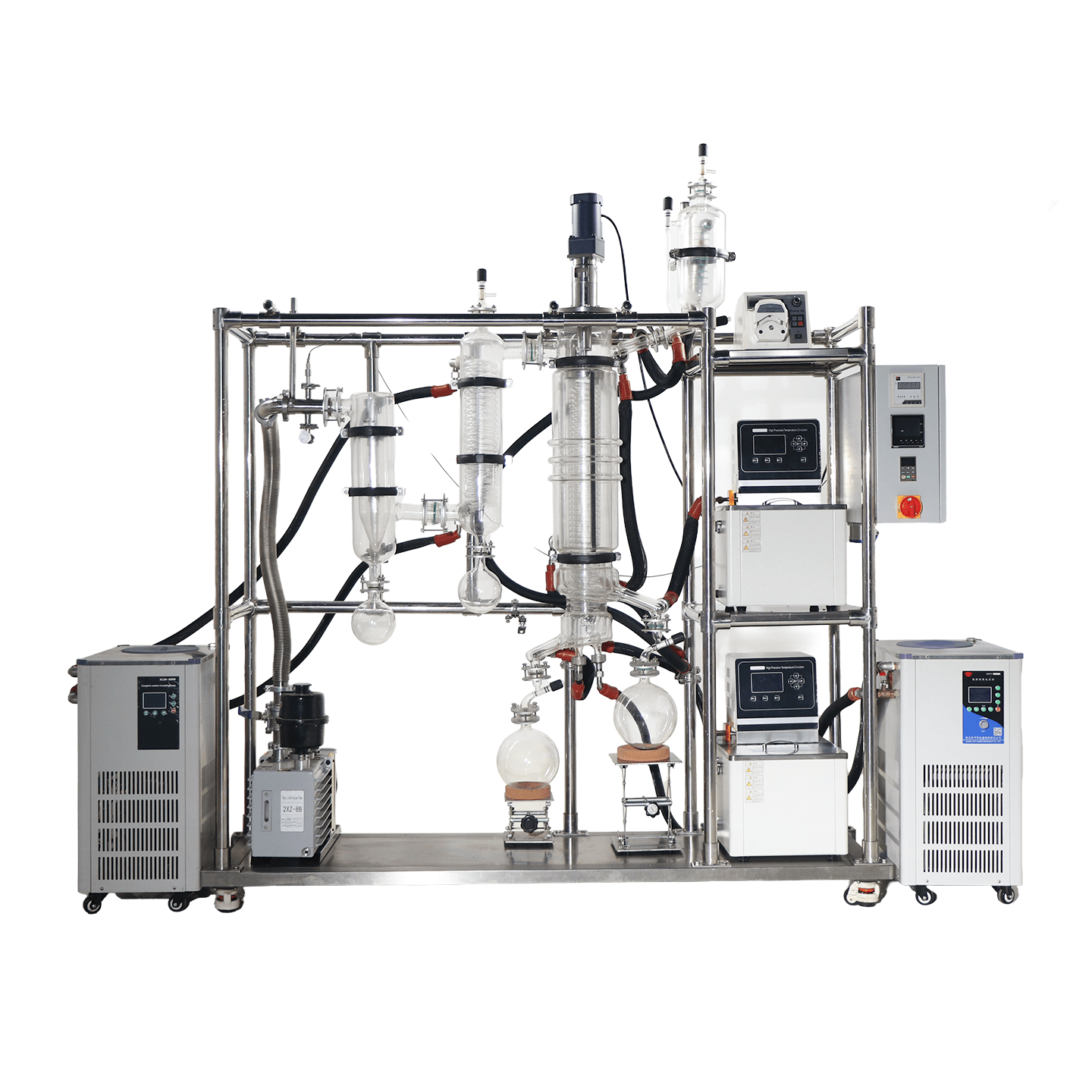
Molecular Distillation Unit
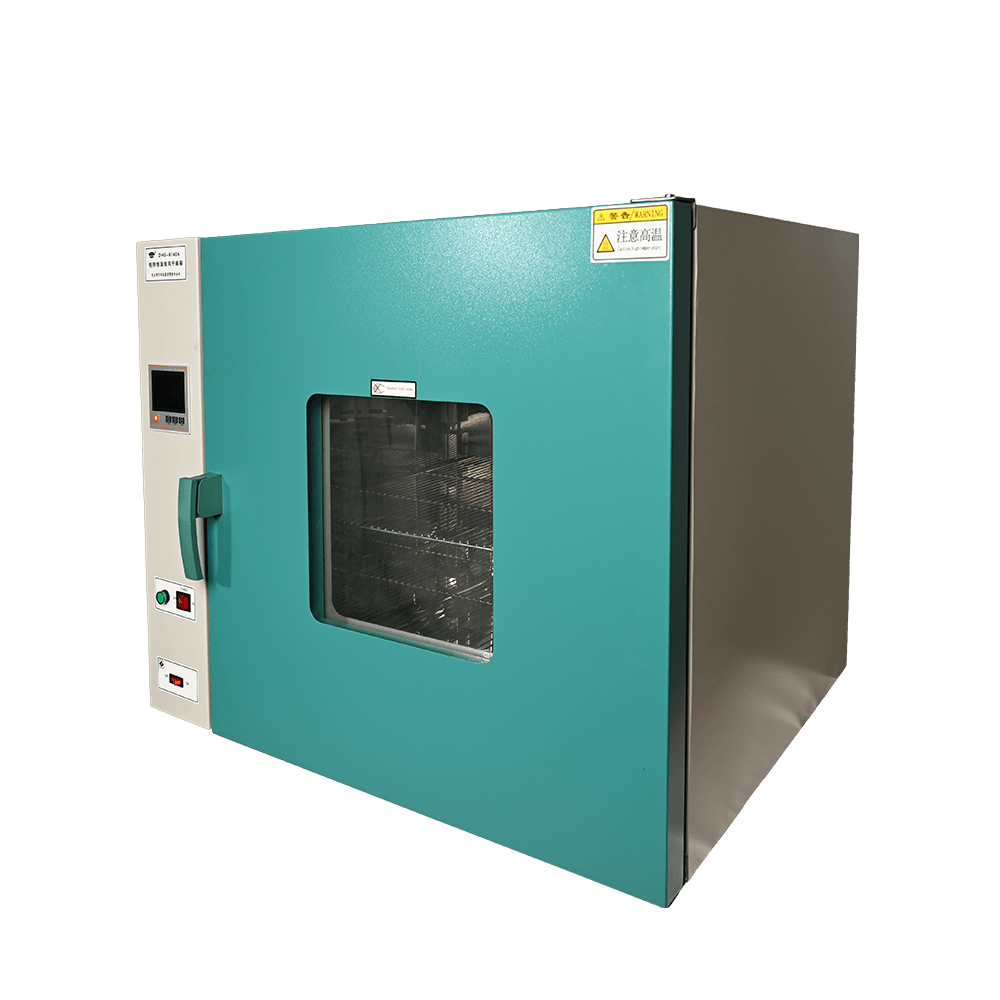
Drying Oven
Service Details

ISO International Management System Certification
ISO certified to ensure product quality and reliable performance
Environmental Management System Certification
Committed to environmental protection and sustainable development.

CE Certification
Certified to meet European safety, health, and environmental protection standards
- 40+ Years of Experience
- 200+ Skilled Employees
- 10,000+ Customer Cases
- 30+ Technical Experts
- 100+ Countries Served
- Global Project Experience