
High & Low Temperature Circulator | Reactor Temperature Control
- 2026-9-20
Table of Contents
Introduction
A high & low temperature circulator is a temperature control system designed to provide controlled heating and cooling for laboratory and pilot-scale equipment. It is widely used with jacketed reactors to maintain the required process temperature during chemical reactions, synthesis, crystallization, distillation and other laboratory processes.
The system circulates a heat-transfer medium between the temperature control unit and the reactor jacket. By heating or cooling the circulating medium, the reactor temperature can be increased, decreased or maintained according to the requirements of the process.
For applications that require both heating and cooling, a high & low temperature circulator provides an integrated solution for reactor temperature control, helping users achieve stable and repeatable experimental conditions.
What Is a High & Low Temperature Circulator?
A high & low temperature circulator is a temperature control device that combines heating, cooling and circulation functions in one system.
Unlike a simple heating bath or cooling unit, it can provide temperature-controlled heat-transfer fluid to external equipment through an independent circulation loop.
For a jacketed reactor, the circulator sends the heat-transfer medium into the reactor jacket. The medium exchanges heat with the reactor contents through the jacket wall and then returns to the temperature control system.
This continuous circulation allows the reactor temperature to be controlled without directly contacting the heating or cooling components with the reaction material.
Main Functions
- Heating the reactor
- Cooling the reactor
- Maintaining a stable process temperature
- Circulating heat-transfer medium
- Supporting temperature-controlled chemical reactions
- Switching between heating and cooling according to process requirements
- Providing indirect temperature control through the reactor jacket
How Does a High & Low Temperature Circulator Work?
The basic working principle is based on circulating heat-transfer fluid between the temperature control system and the external equipment.
Working Process
Temperature Control Unit
↓
Heat-Transfer Medium
↓
Circulation Pump
↓
Reactor Jacket
↓
Heat Transfer with Reactor Contents
↓
Return to Temperature Control Unit
During heating, the system increases the temperature of the circulating medium and sends it through the reactor jacket.
During cooling, the system removes heat from the circulating medium and circulates the cooled medium through the reactor jacket.
The system continuously monitors the temperature and adjusts the heating or cooling operation to reach the desired setpoint.
This indirect heat-transfer method allows the process temperature to be controlled without directly heating or cooling the reaction material.
High & Low Temperature Circulator for Reactor Temperature Control
Temperature control is an important part of many chemical and laboratory processes. Reaction temperature can influence reaction rate, solubility, crystallization behavior, product quality and process stability.
A high & low temperature circulator provides controlled heating and cooling to the reactor jacket, allowing users to maintain the desired reaction temperature.
It can be used with different types of jacketed reactors, including:
- Jacketed glass reactors
- Stainless steel reactors
- Laboratory reactors
- Pilot-scale reactors
- Vacuum reactors
- Chemical reaction vessels
- Crystallization reactors
For example, a chemical reaction may require heating during the reaction stage and cooling after the reaction is completed. Instead of using separate heating and cooling systems, a high & low temperature circulator can provide both functions through one temperature control system.
Heating and Cooling with One Temperature Control System
Many laboratory processes do not operate at a single fixed temperature.
A typical process may include:
Heating → Reaction → Temperature Holding → Cooling → Crystallization
Each stage may require a different temperature.
A high & low temperature circulator allows the operator to control the temperature according to the process requirements.
Heating
The system heats the heat-transfer medium and circulates it through the reactor jacket.
Typical applications include:
- Chemical synthesis
- Organic reactions
- Material preparation
- Solvent evaporation
- Thermal testing
- Reaction acceleration
Cooling
The system cools the heat-transfer medium and circulates it through the reactor jacket.
Typical applications include:
- Exothermic reaction control
- Crystallization
- Product cooling
- Temperature reduction after reaction
- Low-temperature chemical processes
Temperature Holding
After reaching the required temperature, the system maintains the circulating medium at the set temperature to support stable process conditions.
Why Is Reactor Temperature Control Important?
Temperature can significantly affect the behavior of a chemical reaction.
If the temperature is too high, a reaction may proceed too quickly or cause unwanted side reactions. If the temperature is too low, the reaction may become slower or fail to reach the desired process conditions.
Accurate temperature control can help users:
- Maintain stable reaction conditions
- Improve process repeatability
- Control reaction rates
- Reduce temperature fluctuations
- Support consistent product quality
- Improve laboratory process control
- Protect temperature-sensitive materials
For laboratory research and pilot-scale processes, stable temperature control is particularly important when experiments need to be repeated under the same conditions.
High & Low Temperature Circulator for Jacketed Reactors
A jacketed reactor uses an external jacket surrounding the reaction vessel.
The temperature control system circulates a heat-transfer medium through this jacket.
Because the heat-transfer medium does not directly contact the reaction material, the process can be heated or cooled indirectly.
Typical System Configuration
High & Low Temperature Circulator
+
Jacketed Reactor
+
Circulation Pipes
+
Temperature Sensor
Depending on the application, other equipment may also be integrated into the system.
For example:
- Vacuum pump
- Condenser
- Chiller
- Feeding system
- Agitator
- Cooling coil
The exact configuration should be selected according to the process requirements.
Applications of High & Low Temperature Circulators
High & low temperature circulators are used in a wide range of laboratory, chemical and pilot-scale applications.
Chemical Synthesis
During chemical synthesis, reaction temperature can affect reaction speed and final product characteristics.
A temperature control system can provide stable heating or cooling throughout the reaction process.
Crystallization
Controlled cooling is often required during crystallization.
The temperature control system can gradually reduce the reactor temperature according to the process requirements.
Distillation
Temperature control can be used to maintain the required temperature of the reactor or related process equipment during distillation.
Extraction
Some extraction processes require controlled heating to improve extraction efficiency while maintaining the desired process temperature.
Pharmaceutical Research
Temperature-controlled reactors are used in laboratory research and process development where controlled reaction conditions are required.
Material Testing
Temperature control systems can also be used for laboratory material preparation and temperature-dependent testing.
High & Low Temperature Circulator vs. Chiller
A high & low temperature circulator and a chiller are both temperature-control devices, but they have different primary functions.
| Equipment | Main Function | Typical Application |
|---|---|---|
| High & Low Temperature Circulator | Heating + Cooling | Reactor jacket temperature control |
| Chiller | Low-temperature cooling | Condenser and cooling equipment |
| Heating Circulator | Heating | Reactor or laboratory equipment |
| Cooling Circulator | Cooling | Laboratory cooling applications |
A high & low temperature circulator is mainly used when the reactor requires both heating and cooling.
A chiller is mainly designed to provide a cooling source.
For example, in a rotary evaporator or distillation system, a chiller may be used to cool the condenser. In a jacketed reactor system, a high & low temperature circulator may be used to control the reactor jacket temperature.
Therefore, the two systems are not necessarily interchangeable.
How to Choose a High & Low Temperature Circulator?
Selecting a suitable temperature control system requires more than simply considering the reactor volume.
The following parameters should be evaluated.
1. Required Temperature Range
Determine the minimum and maximum temperature required by the process.
The selected system should have a suitable operating temperature range.
2. Reactor Volume
Reactor volume is an important reference when selecting the temperature control system.
Common reactor capacities include:
- 1 L
- 2 L
- 5 L
- 10 L
- 20 L
- 50 L
- 100 L
- Pilot-scale reactors
However, reactor volume alone does not determine the required heating or cooling capacity.
3. Heating Capacity
Heating capacity affects how quickly the system can increase the temperature of the heat-transfer medium and reactor.
For larger reactors or processes requiring rapid heating, higher heating capacity may be necessary.
4. Cooling Capacity
Cooling capacity is important when the reactor needs to reduce its temperature quickly or maintain a low process temperature.
Cooling performance can vary depending on the target temperature and process load.
5. Heat-Transfer Medium
The appropriate heat-transfer medium depends on the required operating temperature.
Common media may include:
- Water
- Water-glycol mixtures
- Thermal oils
- Other suitable heat-transfer fluids
The medium should be compatible with the operating temperature range and equipment materials.
6. Circulation Flow
The circulation pump should provide sufficient flow to ensure effective heat transfer between the temperature control system and reactor jacket.
7. Process Heat Load
The actual heating or cooling requirement depends on factors such as:
- Reactor volume
- Material quantity
- Initial temperature
- Target temperature
- Heating/cooling time
- Heat generated by the reaction
- Heat loss to the environment
- Reactor material
- Jacket design
Therefore, the temperature control system should be selected according to the actual process conditions.
High & Low Temperature Circulator for Different Reactor Sizes
High & low temperature circulators can be configured for different reactor capacities.
Small Laboratory Reactors
For small-volume reactors such as 1–5 L, the system is generally used for laboratory research, chemical synthesis and small-scale experiments.
Medium Laboratory Reactors
For 10–20 L reactors, temperature control becomes more important because of the increased process volume and thermal load.
Pilot-Scale Reactors
For 50–100 L or larger reactors, heating and cooling capacity, circulation flow and process heat load should be evaluated carefully.
For larger systems, the selection should be based on the actual thermal requirements rather than reactor volume alone.
Key Features of a High & Low Temperature Circulator
Heating and Cooling Functions
The system integrates heating and cooling functions to provide flexible temperature control for different process stages.
Wide Temperature Control Range
A suitable temperature range allows the system to support different chemical and laboratory applications.
Precise Temperature Control
Temperature sensors and the control system monitor the operating temperature and adjust the heating or cooling process.
Heat-Transfer Fluid Circulation
A circulation pump continuously moves the heat-transfer medium between the circulator and external equipment.
Digital Temperature Display
The control interface can display the set temperature and actual operating temperature, allowing users to monitor the process.
Safety Protection
Depending on the model, temperature control systems may include protective functions such as:
- Over-temperature protection
- Low-liquid-level protection
- Pump protection
- Compressor protection
- Sensor fault protection
Specific protection functions depend on the equipment configuration.
High & Low Temperature Circulator for Laboratory Research
In laboratory research, experiments often need to be conducted under controlled and repeatable conditions.
A high & low temperature circulator can be integrated with a jacketed reactor to provide controlled heating and cooling during experimental processes.
Typical laboratory applications include:
- Chemical synthesis
- Reaction studies
- Crystallization research
- Extraction experiments
- Distillation
- Material preparation
- Process development
- Pilot-scale testing
The system can also be combined with other laboratory equipment to create a complete temperature-controlled reaction system.
High & Low Temperature Circulator for Glass Reactors
Jacketed glass reactors are commonly used for laboratory chemical reactions because the glass vessel allows users to observe the reaction process.
A high & low temperature circulator can be connected to the reactor jacket to provide indirect heating and cooling.
Typical configuration:
Glass Reactor + High & Low Temperature Circulator + Agitator
Additional equipment such as a vacuum pump or condenser can be added depending on the application.
High & Low Temperature Circulator for Stainless Steel Reactors
Stainless steel reactors are commonly used when higher mechanical strength, durability or larger process capacity is required.
The temperature control system can circulate the heat-transfer medium through the reactor jacket to provide controlled heating and cooling.
This configuration is suitable for:
- Chemical processing
- Pilot-scale research
- Material processing
- Extraction
- Synthesis
- Scale-up studies
Benefits of Using a Reactor Temperature Control System
A dedicated temperature control system provides several advantages for jacketed reactor applications.
Stable Process Temperature
Continuous circulation helps maintain the required temperature during the process.
Flexible Heating and Cooling
The same system can provide heating and cooling for different process stages.
Indirect Heat Transfer
The heat-transfer medium circulates through the reactor jacket without directly contacting the reaction material.
Better Process Repeatability
Stable temperature conditions can help improve the repeatability of laboratory experiments.
Flexible System Integration
The temperature control system can be integrated with glass reactors, stainless steel reactors and other jacketed equipment.
Frequently Asked Questions
What is a high & low temperature circulator?
A high & low temperature circulator is a temperature control system that provides controlled heating and cooling by circulating a heat-transfer medium through external equipment such as a reactor jacket.
What is a high & low temperature circulator used for?
It is mainly used for heating, cooling and maintaining the temperature of jacketed reactors and other laboratory or pilot-scale equipment.
Can a high & low temperature circulator be used with a glass reactor?
Yes. A high & low temperature circulator can be connected to a jacketed glass reactor when the temperature range, heat-transfer medium and thermal load are suitable.
Can it be used with a stainless steel reactor?
Yes. It can be used with jacketed stainless steel reactors for laboratory and pilot-scale chemical processes.
What is the difference between a high & low temperature circulator and a chiller?
A high & low temperature circulator provides both heating and cooling, while a chiller is primarily designed to provide cooling.
How do I choose the right temperature control system for my reactor?
Consider the required temperature range, reactor volume, heating capacity, cooling capacity, heat-transfer medium, circulation flow and actual process heat load.
Can one system provide both heating and cooling?
Yes. A high & low temperature circulator is designed to provide both heating and cooling within its specified operating range.
Is the reactor heated directly?
No. In a jacketed reactor system, the temperature control system normally heats or cools a heat-transfer medium, which then circulates through the reactor jacket to transfer heat indirectly.
Conclusion
A high & low temperature circulator provides an integrated solution for heating, cooling and temperature maintenance in laboratory and pilot-scale processes. When connected to a jacketed reactor, it allows the process temperature to be controlled through continuous circulation of a heat-transfer medium.
From chemical synthesis and crystallization to extraction, distillation and process development, a suitable reactor temperature control system can provide stable and flexible thermal conditions for different applications.
When selecting a system, users should consider not only the reactor volume but also the required temperature range, heating and cooling capacity, heat-transfer medium, circulation flow and actual process heat load.
Molecular Distillation: Which Materials Are Suitable for the Process?
Molecular Distillation: Which Materials Are Suitable for the Process? 2026-9-23 Table of Contents Introduction H1: Molecular Distillation: Which Materials Are Suitable for the Process? When
High & Low Temperature Circulator | Reactor Temperature Control System
High & Low Temperature Circulator | Reactor Temperature Control 2026-9-20 Table of Contents Introduction A high & low temperature circulator is a temperature control system
Glass Reactor: Efficient Solution for Laboratory Chemical Reactions
H1标题 2026-8-27 Table of Contents Glass Reactor | Laboratory Reactor for Heating, Cooling & Mixing A glass reactor is a laboratory reaction vessel designed for
Rotary Evaporator: Efficient Vacuum Evaporation for Laboratory and Pilot-Scale Applications
Rotary Evaporator for Efficient Vacuum Evaporation & Solvent Recovery 2026-8-27 Table of Contents Rotary Evaporator for Efficient Vacuum Evaporation & Solvent Recovery A rotary
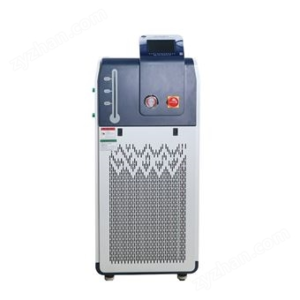
Laboratory High and Low Temperature Circulator
Laboratory High and Low Temperature Circulator 2026-8-27 Table of Contents What Is a Laboratory High and Low Temperature Circulator? A Laboratory High and Low Temperature
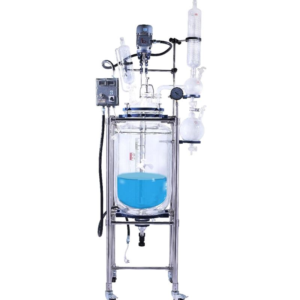
Laboratory Glass Reactor
Laboratory Glass Reactor 2026-8-31 Table of Contents What Is a Laboratory Glass Reactor? A laboratory glass reactor is a reaction vessel equipped with temperature