
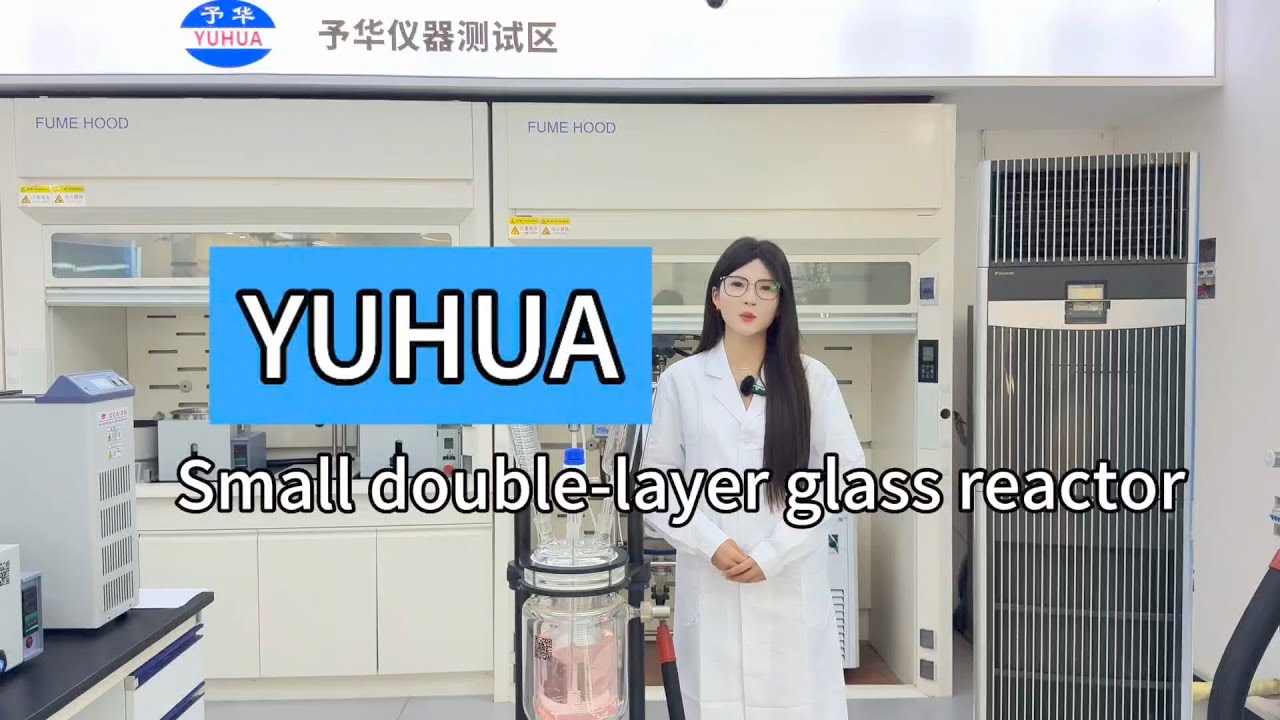
Double Layer Glass Reactor
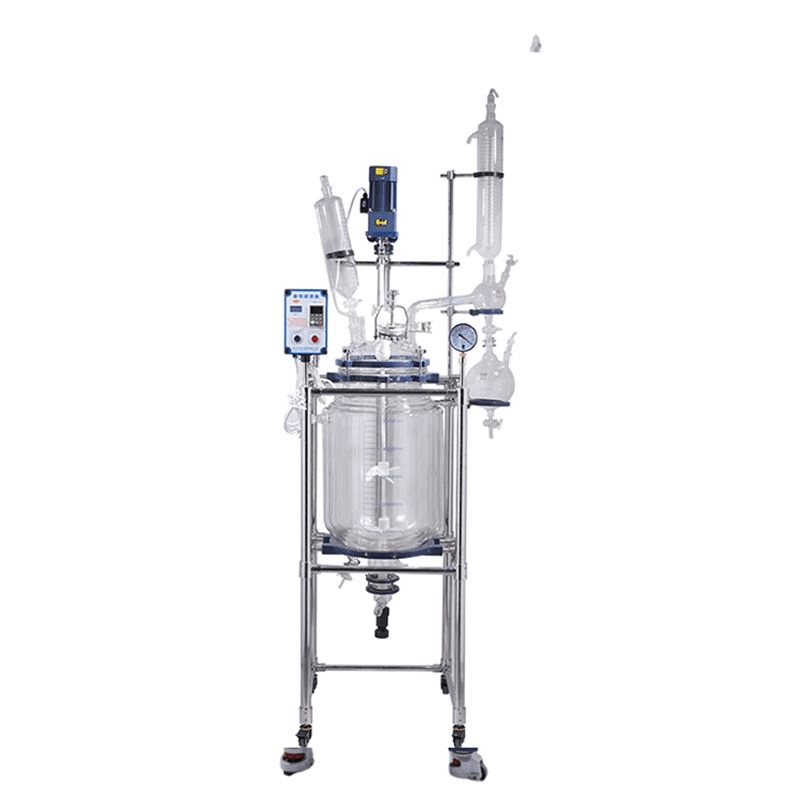
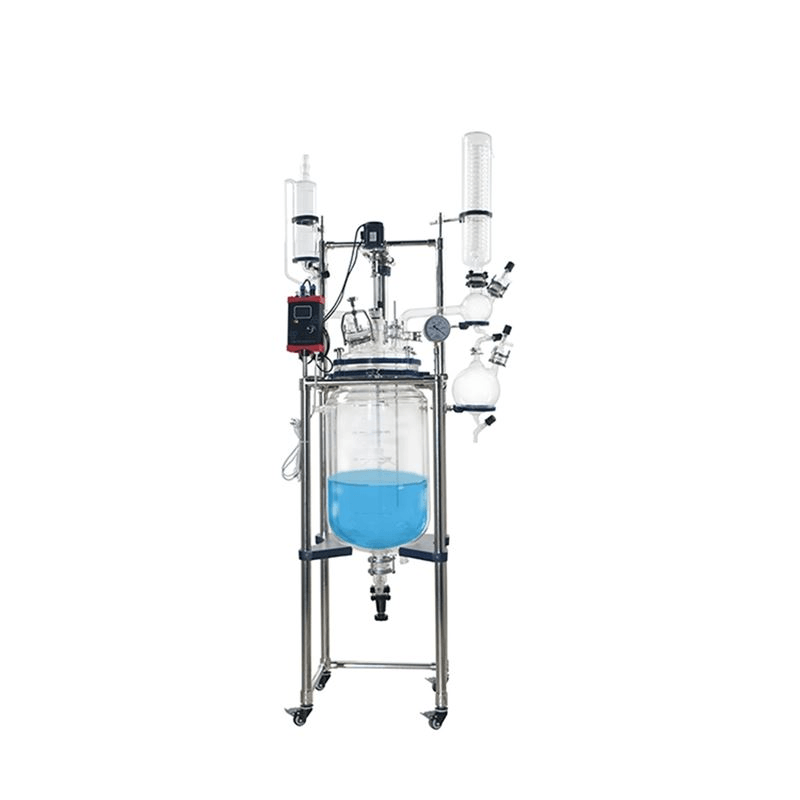
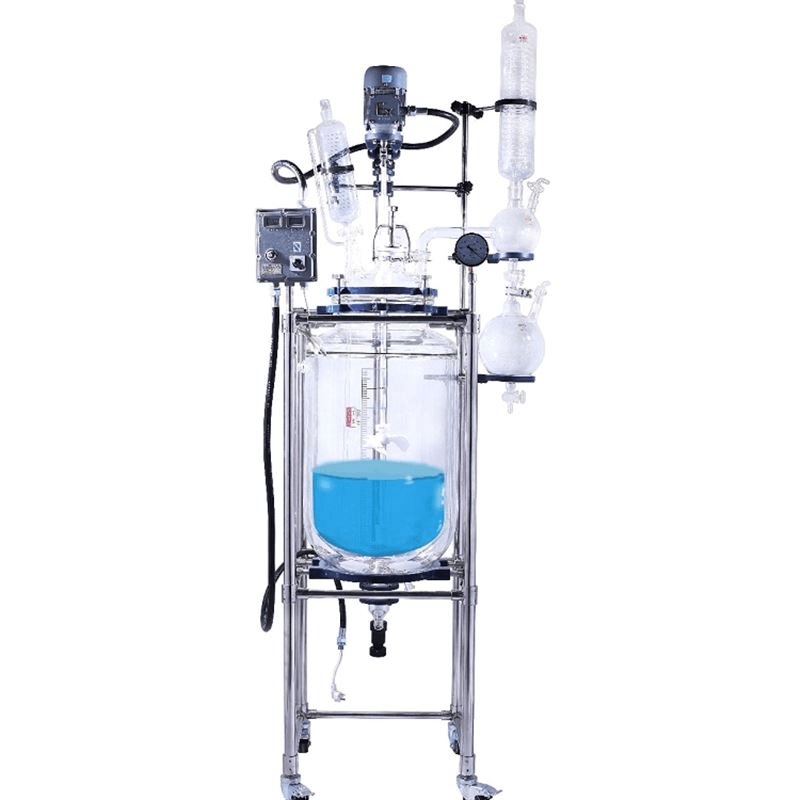
The double layer glass reactor has an inner vessel where reaction materials and solvents are placed for stirring and chemical reactions. The jacket layer is designed for circulating heating or cooling media, allowing precise temperature control during the reaction process.
The double jacketed glass reactor can be used for high-temperature reactions, with the operating temperature reaching up to 200°C. It can also be used for low-temperature reactions, with temperatures as low as -80°C.
In addition, the double layer glass reactor supports vacuum operation, enabling negative pressure reactions for various chemical, pharmaceutical, and laboratory applications.
Detailed Description
The double layer glass reactor is designed with a jacketed structure. A constant-temperature heating medium (high-temperature thermal fluid) or cooling liquid can be circulated through the jacket layer to provide precise heating or cooling for the materials inside the reactor. The reactor is equipped with a stirring system to ensure uniform mixing and reaction.
The materials react inside the transparent glass vessel, while the evaporation and reflux of the reaction solution can be effectively controlled. After the reaction is completed, the finished material can be discharged easily through the bottom outlet valve.
It is an ideal laboratory and pilot-scale equipment for modern chemistry experiments, petrochemical research, pharmaceutical development, biotechnology, and new material synthesis. The transparent reactor design allows operators to clearly observe the entire reaction process and conveniently control reaction conditions.
If the laboratory fume hood has height limitations, a horizontal condenser can be selected.
Main Features
1. Advanced Support Structure Design
This product adopts a three-stage elastic support structure, ensuring stable operation under heavy-load reaction conditions while allowing safe height adjustment and flexible configuration.
2. High-Quality Borosilicate Glass Material
The reactor uses high borosilicate glass (GG17), featuring excellent physical and chemical properties, high temperature resistance, corrosion resistance, and high transparency.
3. Wide Temperature Range Operation
The reactor can operate in a wide temperature range from -80°C to +200°C, meeting various heating and cooling reaction requirements.
4. Corrosion-Resistant Support Frame
The surface of the support frame is coated with PTFE (Teflon), providing excellent corrosion resistance, improving appearance, durability, and service life. Powder coating is also available as an option.
5. Variable Speed Stirring System
Equipped with a high-performance variable frequency speed control system. Internal electrical components are protected by vacuum coating technology, providing corrosion resistance. An explosion-proof configuration is also available for safer operation.
6. Double Jacketed Glass Structure
The reactor adopts a double-layer glass vessel structure. Heating or cooling media circulate through the jacket layer to provide the required temperature conditions for reactions. A triple-layer vessel structure is also available:
The first layer is a vacuum insulation jacket for thermal insulation.
The second layer provides heating and cooling functions for the reaction process.
The transparent glass vessel allows real-time observation of the reaction process.
7. High Vacuum Sealing System
The reactor adopts PTFE (Polytetrafluoroethylene) sealing components with a special sealing design, achieving an excellent vacuum level of approximately -0.098 MPa. The bottom discharge valve can handle concentrated liquids and small amounts of solid materials.
8. Jacket Pressure Protection System
The jacket pressure control device is an innovative safety design developed to protect the reactor body and ensure safer and more reliable operation.
9. Anti-Corrosion and Pollution-Free Design
The reactor chamber and jacket structure are specially designed with corrosion resistance, preventing contamination and ensuring clean operation.
10. Complete Heat Transfer Medium Drainage
After the reaction process is completed, the heat transfer medium can be completely drained without residual liquid accumulation.
11. Scientific and Practical Structure Design
The whole reactor system features a modern, practical, and aesthetically designed structure, combining reliability with convenient operation.
12. High-Performance Mechanical Sealing System
Equipped with a high-performance mechanical seal, ceramic bearing, and PTFE sealing structure, ensuring stable operation, excellent sealing performance, and long service life.
Application Areas
Chemical synthesis
Pharmaceutical research and production
Petrochemical experiments
Biotechnology
New material development
Laboratory and pilot-scale reaction testing
Double Layer Glass Reactor — A transparent, efficient, and reliable solution for heating, cooling, stirring, vacuum reaction, evaporation, and reflux processes.
Frequently Asked Questions (FAQ)
1. What is a double layer glass reactor?
A double layer glass reactor is a laboratory and pilot-scale reaction vessel with a jacketed glass structure. Heating or cooling media can circulate through the jacket layer to control the reaction temperature, while the inner vessel is used for material mixing and chemical reactions.
2. What materials can be processed in a double layer glass reactor?
The double layer glass reactor is widely used for processing various chemical, pharmaceutical, biological, and new material research materials, including solvents, chemical solutions, pharmaceutical intermediates, polymers, and other reaction liquids.
3. What is the maximum working temperature of the glass reactor?
The double layer glass reactor can operate in a wide temperature range from -80°C to +200°C, meeting different heating, cooling, crystallization, evaporation, and reaction requirements.
4. How does the heating and cooling system work?
The heating or cooling medium is circulated through the jacket layer of the reactor. Hot oil, water, glycol, or other heat transfer fluids can be used to provide constant-temperature heating or cooling for the materials inside the reactor.
5. Can the double layer glass reactor perform vacuum reactions?
Yes. The reactor is equipped with a high-performance sealing system and can perform vacuum or negative pressure reactions. The vacuum level can reach approximately -0.098 MPa, depending on operating conditions and configuration.
Related Products
Rotary Evaporator | Efficient Vacuum Evaporation & Solvent Recovery
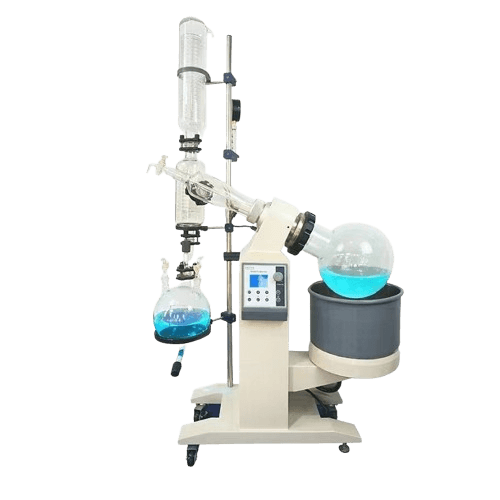
Rotary Evaporator
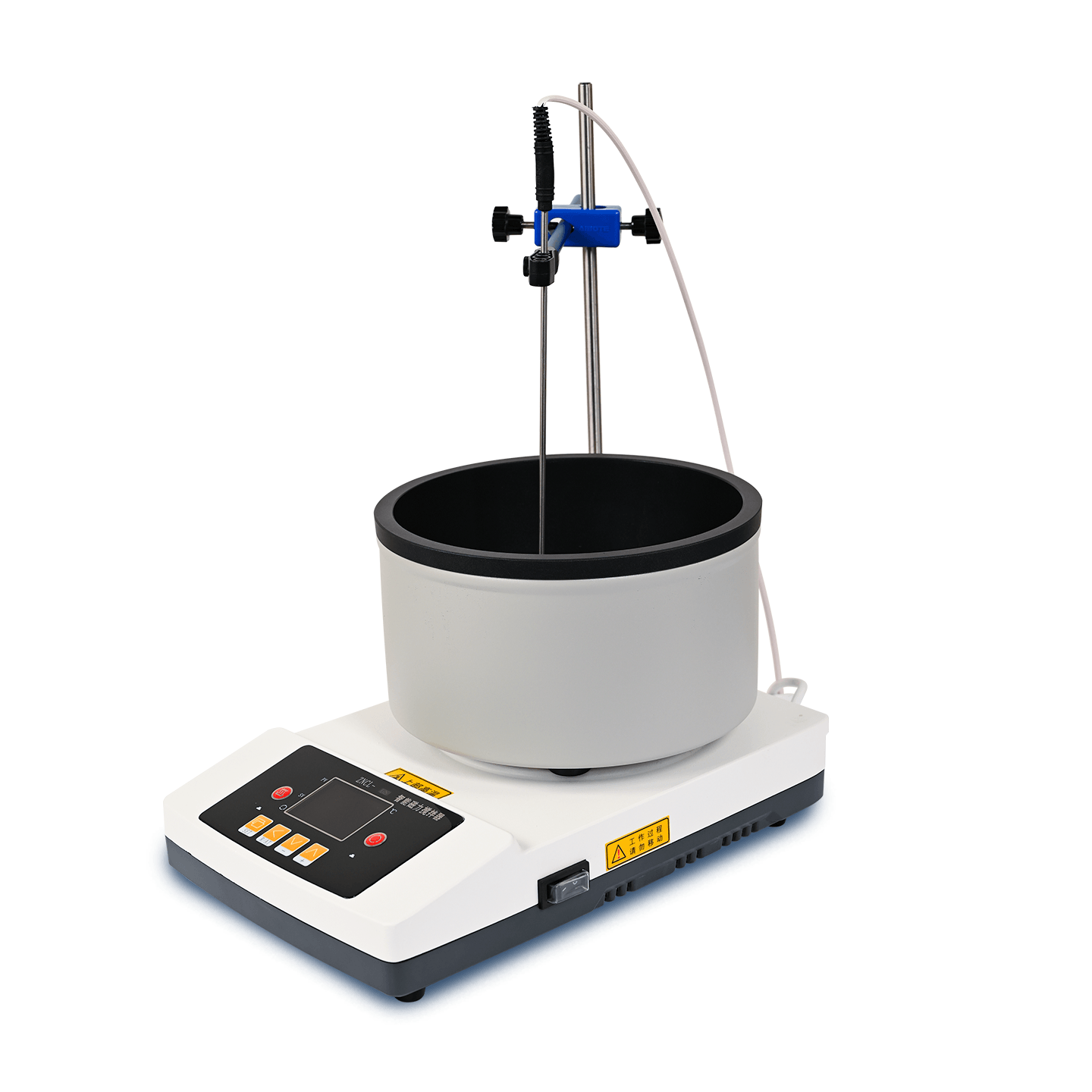
Stirring Device
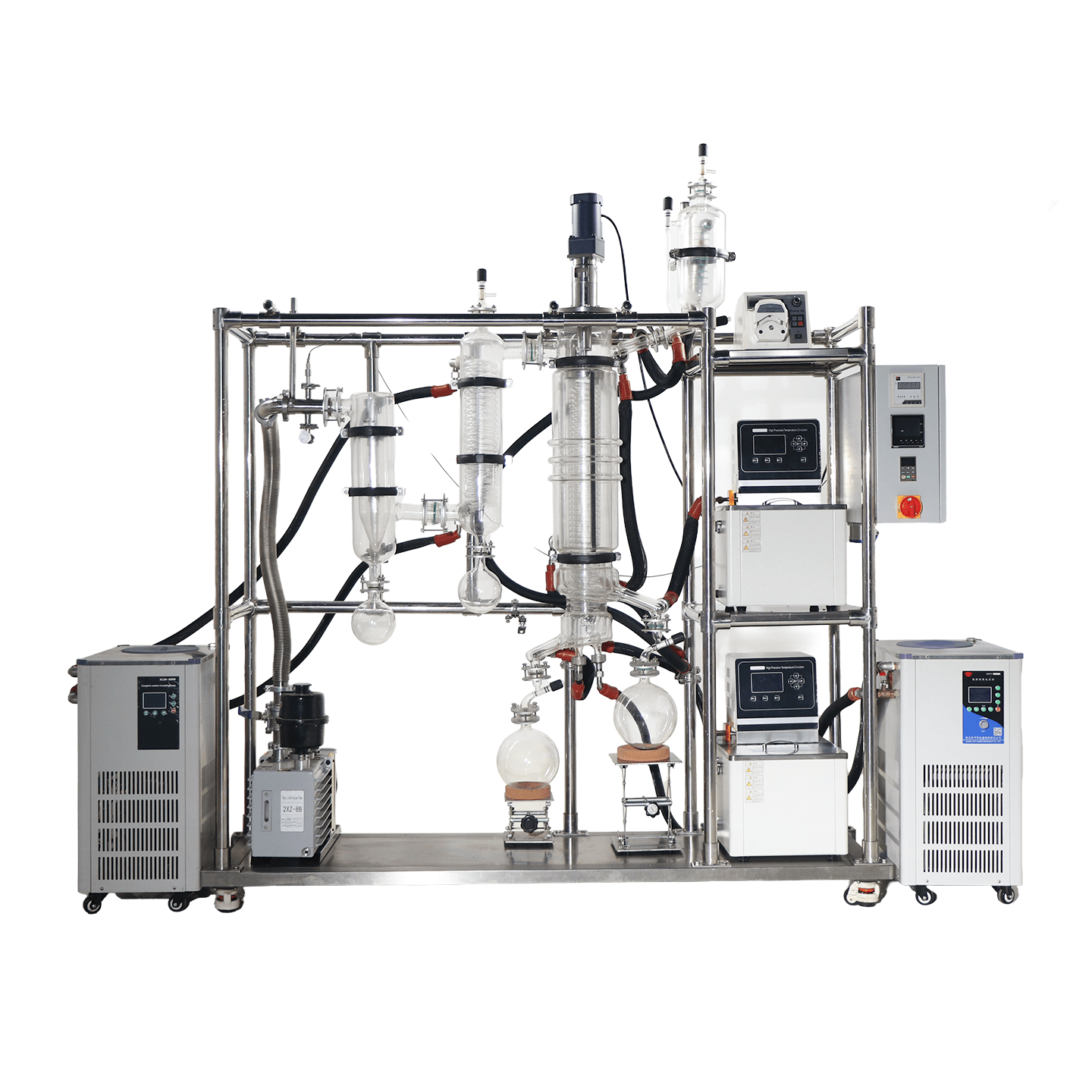
Molecular Distillation Unit
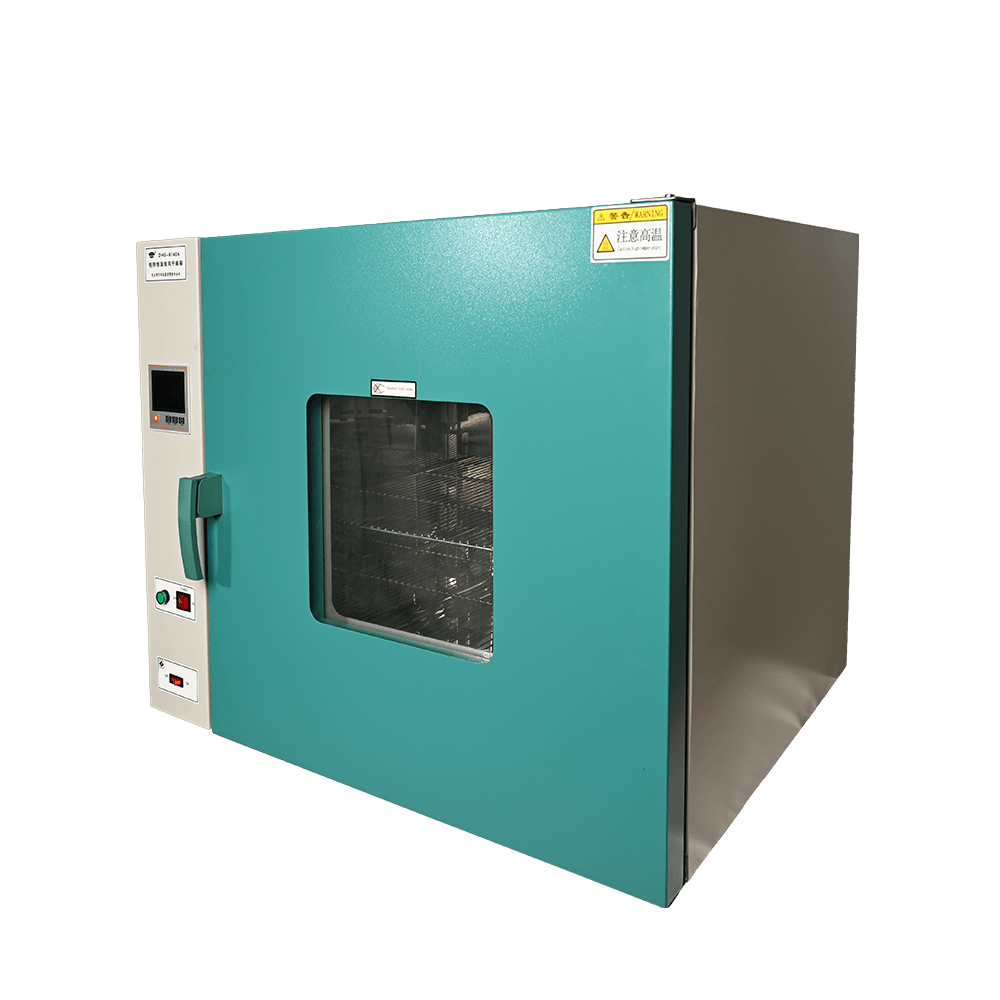
Drying Oven
Service Details

ISO International Management System Certification
ISO certified to ensure product quality and reliable performance
Environmental Management System Certification
Committed to environmental protection and sustainable development.

CE Certification
Certified to meet European safety, health, and environmental protection standards
- 40+ Years of Experience
- 200+ Skilled Employees
- 10,000+ Customer Cases
- 30+ Technical Experts
- 100+ Countries Served
- Global Project Experience