
Rotary Evaporator
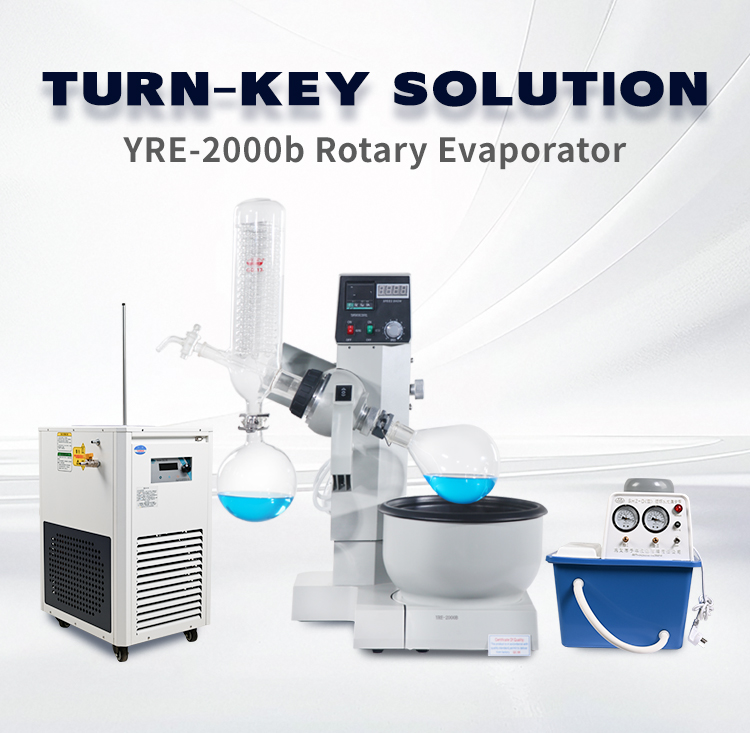
A rotary evaporator is a laboratory evaporation system designed to remove solvents efficiently under reduced pressure. By combining vacuum, controlled heating, flask rotation and condenser cooling, it allows solvents to evaporate at lower temperatures than under atmospheric pressure.
Detailed Description
Working Principle
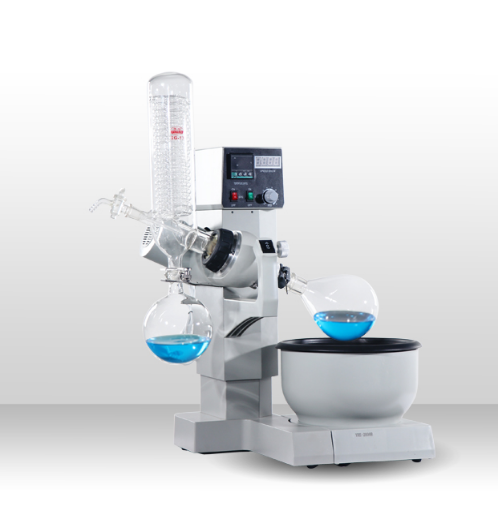
The YRE-2000B rotary evaporator operates based on vacuum evaporation and thin-film evaporation technology. During operation, the evaporation flask rotates at a controlled speed while being heated in a temperature-controlled bath.
As the flask rotates, the liquid sample spreads evenly along the inner wall of the flask, forming a large-area thin film. This increases the effective evaporation area and promotes efficient heat transfer and solvent evaporation.
At the same time, a vacuum system reduces the pressure inside the evaporation system, lowering the boiling point of the solvent. This allows the solvent to evaporate at a lower temperature, which is particularly useful for temperature-sensitive materials.
The generated solvent vapor then enters the vertical glass condenser, where it is cooled and condensed back into liquid. The recovered solvent flows into the receiving flask for collection.
Working Process
Vacuum → Controlled Heating → Flask Rotation → Thin-Film Formation → Solvent Evaporation → Vapor Condensation → Solvent Recovery
This process enables the YRE-2000B to perform efficient solvent evaporation, concentration and solvent recovery in laboratory applications.
Product Features
1. Intelligent Temperature Control
The YRE-2000B uses a PID intelligent temperature control system and a temperature sensor to monitor and regulate the heating bath temperature. The temperature is displayed digitally for convenient operation and monitoring.
The published specifications list a heating bath temperature range of approximately room temperature to 90°C, depending on the configuration/source specification.
2. Adjustable Rotation Speed
The evaporation flask is driven by a 40 W motor and supports adjustable rotation speed. The YRE-2000B is listed with a rotation range of 20–200 rpm, with digital speed display.
The adjustable rotation speed allows users to optimize film formation and evaporation conditions for different samples.
3. Efficient Thin-Film Evaporation
During rotation, the liquid forms a thin film over a large area of the evaporation flask wall.
This helps improve:
- Heat transfer
- Evaporation efficiency
- Solvent removal
- Process stability
This is one of the key operating principles of a rotary evaporator.
4. Efficient Glass Condenser
The YRE-2000B uses a vertical glass condenser with a dual-return design, together with a receiving flask for solvent collection. This design supports efficient condensation and convenient solvent recovery.
5. Automatic Electric Lifting
The main unit uses an electric lifting mechanism, allowing the evaporation flask position to be adjusted quickly during operation. Published specifications list a lifting range of approximately 0–150 mm.
This makes it easier to:
- Position the flask in the heating bath
- Remove the flask
- Adjust the working position
- Improve operational convenience
6. PTFE-Based Sealing
The vacuum sealing system uses fluoropolymer-based sealing components. This helps maintain the vacuum environment required for rotary evaporation and provides good chemical resistance for laboratory solvent applications.
7. Compact Desktop Design
The YRE-2000B uses a compact desktop structure with aluminum-alloy and engineering-plastic components. The design is intended to provide a relatively small footprint while maintaining the necessary mechanical stability for laboratory operation.
8. Digital Display and Convenient Operation
The YRE-2000B provides digital display of operating parameters such as rotation speed and bath temperature, allowing users to monitor the main operating conditions during evaporation.
Product Specifications
| Item | Specification |
|---|---|
| Model | YRE-2000B |
| Power Supply | 220V 50Hz |
| Motor Power | 40W |
| Heating Power | 1200W |
| Max Vacuum Level | 0.098Mpa |
| Evaporate Rate | 20ml/min |
| Rotating fask volume | 2L |
| Receiving flask volume | 1L 35# ball mill mouth |
| Heating bath inner size | Φ285×140H(mm)About 5.6Liter |
| Heating bath outer size | 285L×285W×210H(mm) |
| Condenser size | Φ85×375H(mm)About 0.17㎡ |
| Rotating speed range | 0-200pm/min |
| Temperature control range | RT-99℃ |
| Temperature control accuracy | ±1℃ |
| Resistant temp. range of glassware | -80-250℃ |
| Lift distance | 0-140mm Electric lifting |
| Feeding valve | 19# Standerd port |
| Temperature Control Accuracy | ±1℃ |
| Condenser circulating port | Pagoda joint outer diameter 12mm |
| Machine dimension | 625×440W×600H(mm) |
| Machine weigth | 23KG |
Frequently Asked Questions (FAQ)
1. What is a single layer glass reactor used for?
A single layer glass reactor is widely used for chemical reactions, mixing, heating, evaporation, concentration, crystallization, and solvent recovery processes. It is commonly applied in laboratories, pharmaceutical research, chemical industries, universities, and R&D facilities.
2. What materials can be processed in a single layer glass reactor?
The single layer glass reactor can handle various materials, including organic solvents, chemical solutions, pharmaceutical intermediates, plant extracts, and other liquid or semi-liquid materials. The reactor body is made of high borosilicate glass 3.3, which provides excellent chemical resistance and temperature stability.
3. What is the maximum working temperature of the glass reactor?
The standard working temperature range of our single layer glass reactor is -80℃ to +250℃. The actual operating temperature depends on the reactor model, heating system, and process requirements.
4. Can the single layer glass reactor work under vacuum conditions?
Yes. The single layer glass reactor can operate under vacuum conditions when connected with a vacuum pump or vacuum system. Vacuum operation can reduce the boiling point of solvents and improve evaporation efficiency.
5. Does the reactor include a heating system?
Yes. The reactor is equipped with a constant temperature heating bath system, which provides stable and accurate heating. The heating temperature can be precisely controlled according to different process requirements.
Related Products
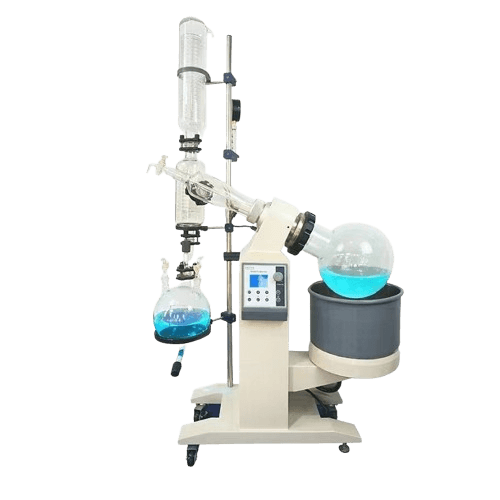
Rotary Evaporator | Efficient Vacuum Evaporation & Solvent Recovery
Rotary Evaporator
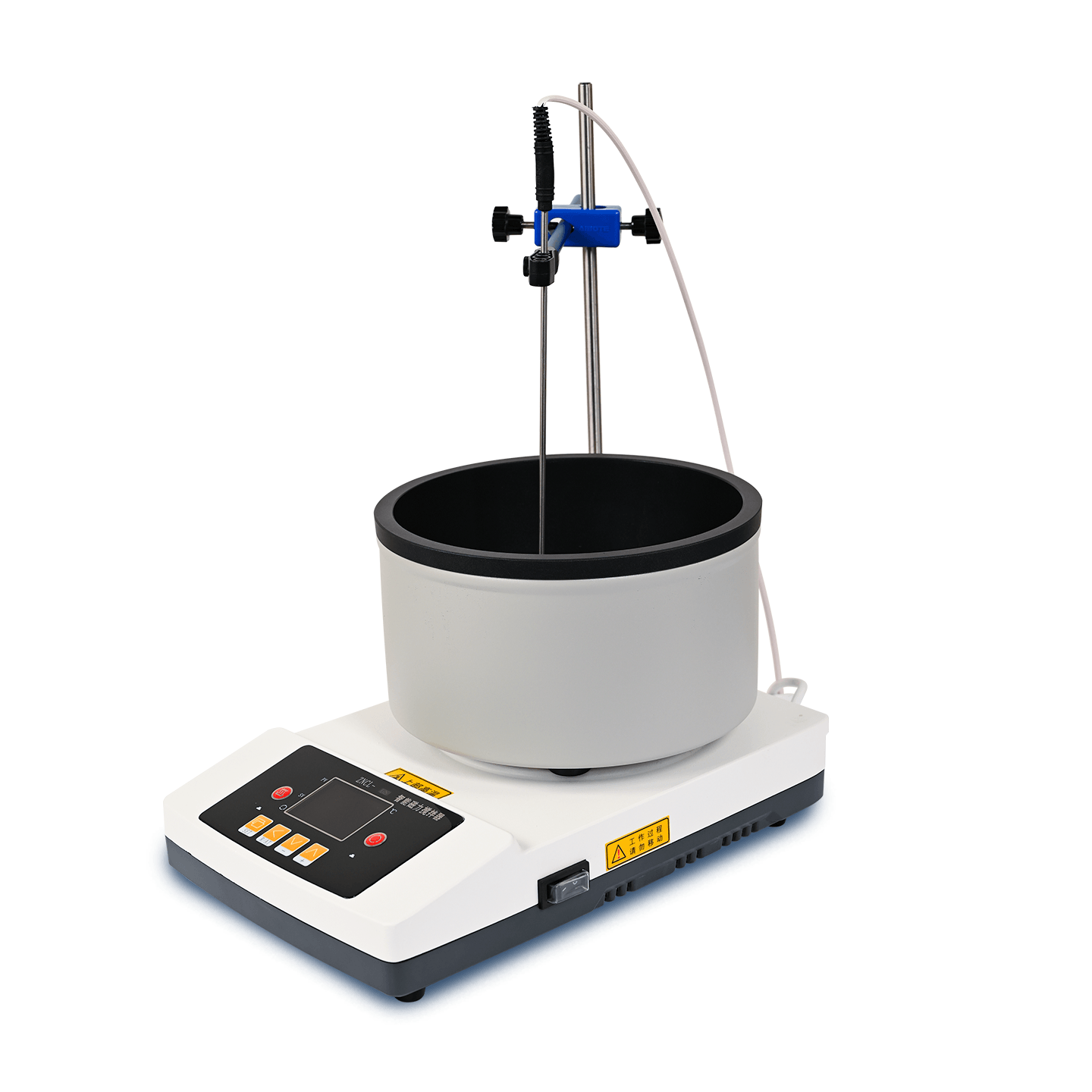
Stirring Device
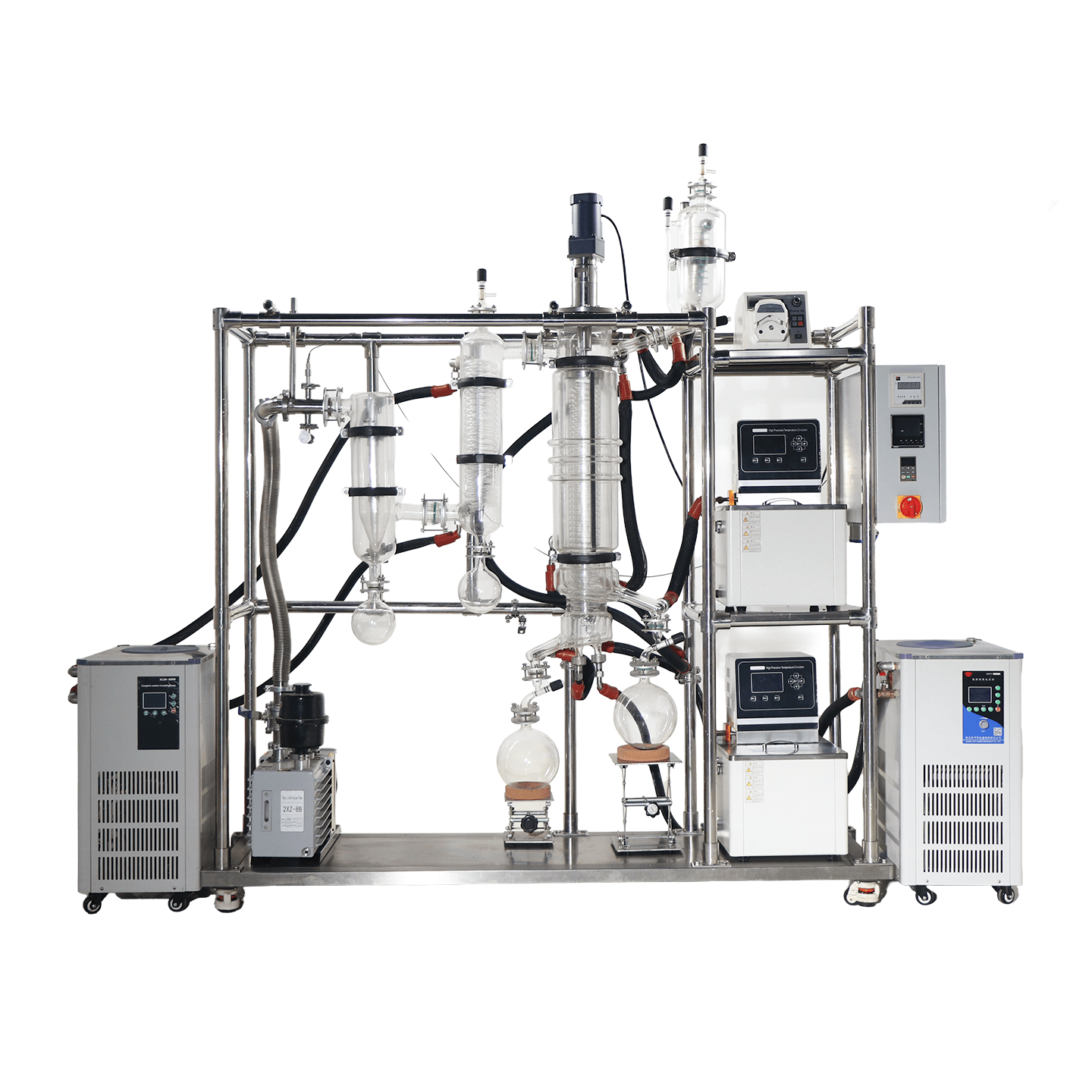
Molecular Distillation Unit
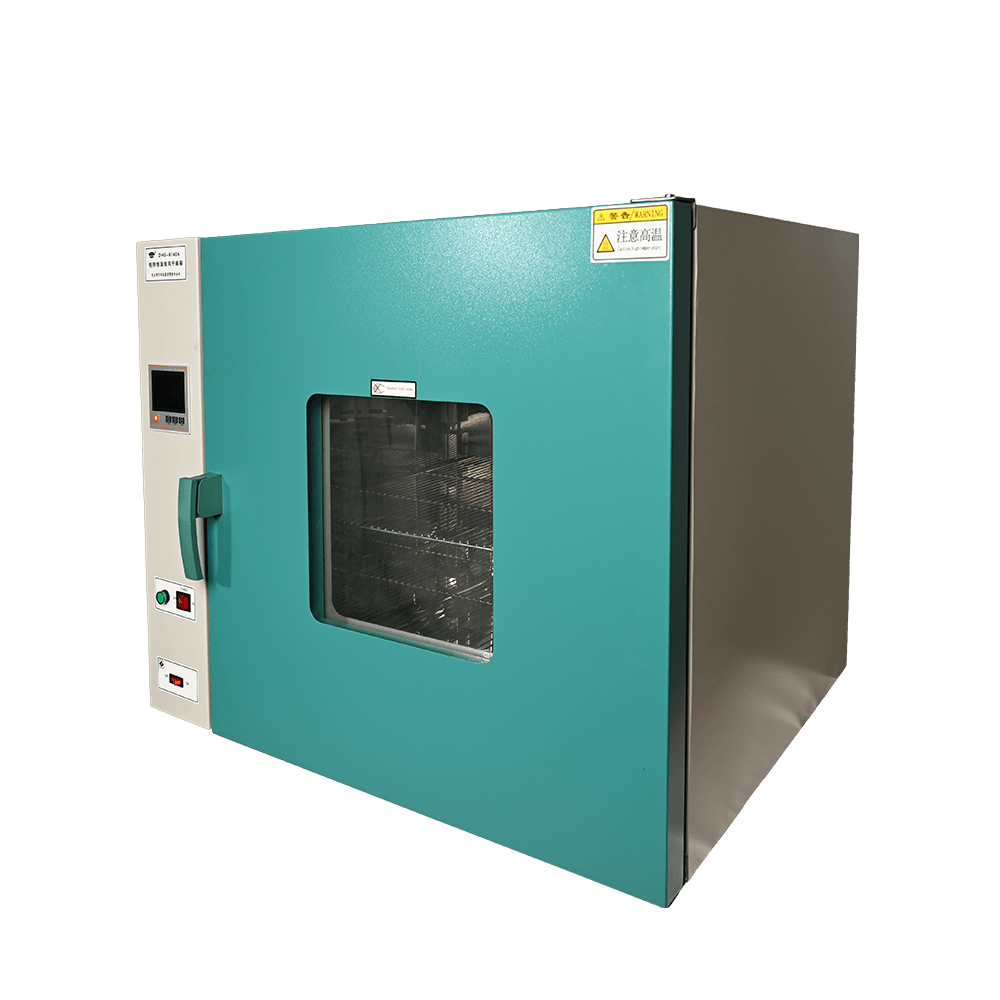
Drying Oven
Service Details

ISO International Management System Certification
ISO certified to ensure product quality and reliable performance
Environmental Management System Certification
Committed to environmental protection and sustainable development.

CE Certification
Certified to meet European safety, health, and environmental protection standards
- 40+ Years of Experience
- 200+ Skilled Employees
- 10,000+ Customer Cases
- 30+ Technical Experts
- 100+ Countries Served
- Global Project Experience