

Regarding your question

Your most pressing questions

Frequently Asked Questions (FAQ)

Q1: What is a rotary evaporator used for?

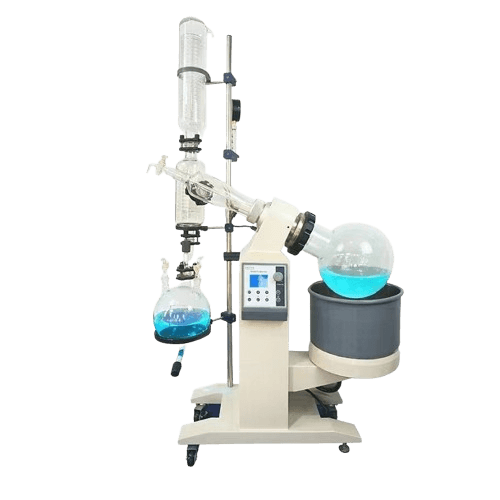
A rotary evaporator is mainly used for the efficient removal and recovery of solvents under reduced pressure. It is widely used for evaporation, concentration, distillation, solvent recovery, and sample preparation in laboratories and research facilities.

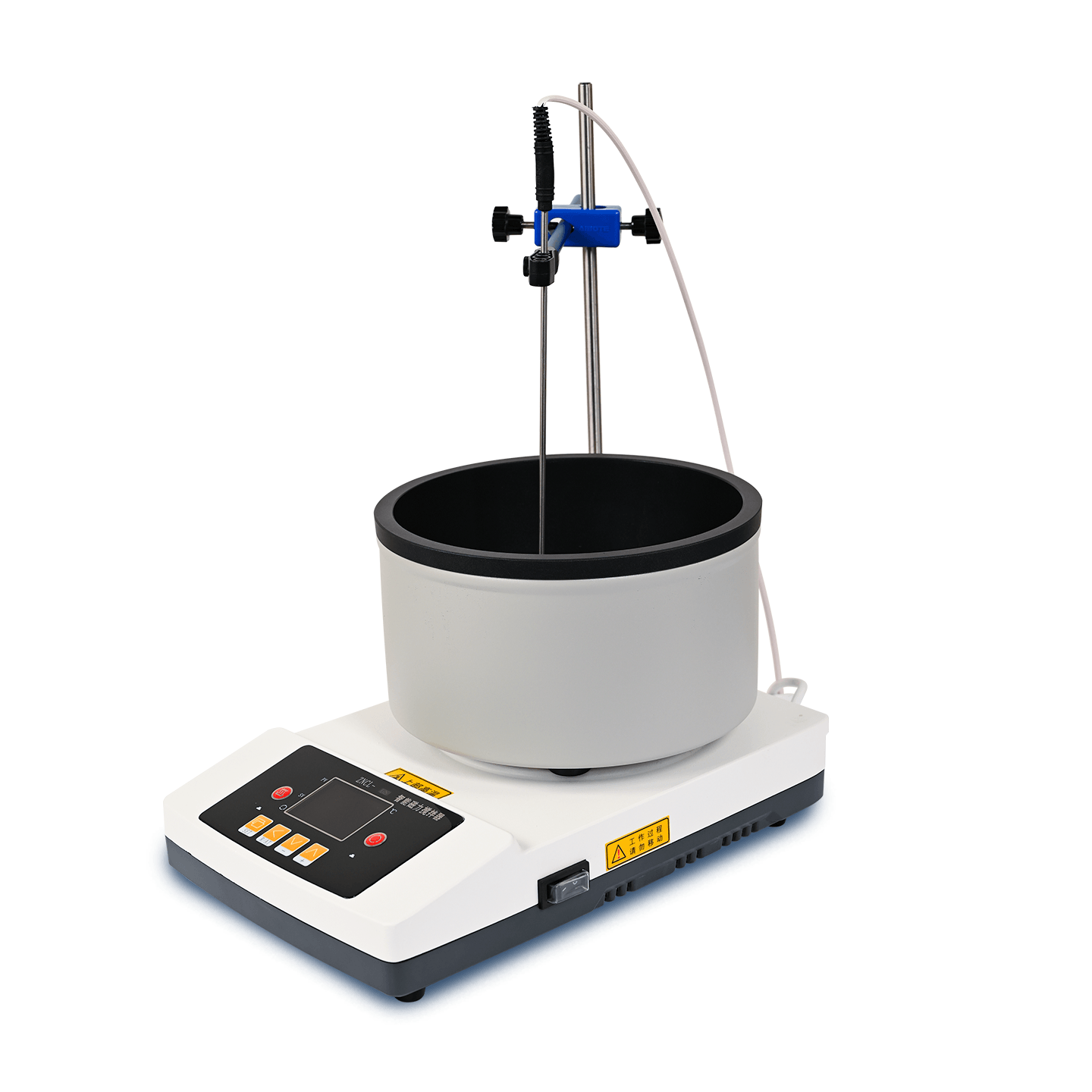
A rotary evaporator works by rotating the evaporation flask under vacuum while it is heated in a water or oil bath. The reduced pressure lowers the boiling point of the solvent, allowing it to evaporate at a lower temperature. The vapor is then cooled by a condenser and collected in a receiving flask.

A typical rotary evaporator consists of an evaporation flask, rotating motor, heating bath, condenser, receiving flask, vacuum system, and lifting mechanism.

The vacuum reduces the boiling point of the solvent, allowing evaporation at lower temperatures. This helps improve evaporation efficiency and protects heat-sensitive materials from thermal damage.

Rotary evaporators can be used with many common laboratory solvents, including ethanol, methanol, acetone, hexane, ethyl acetate, and other volatile organic solvents.

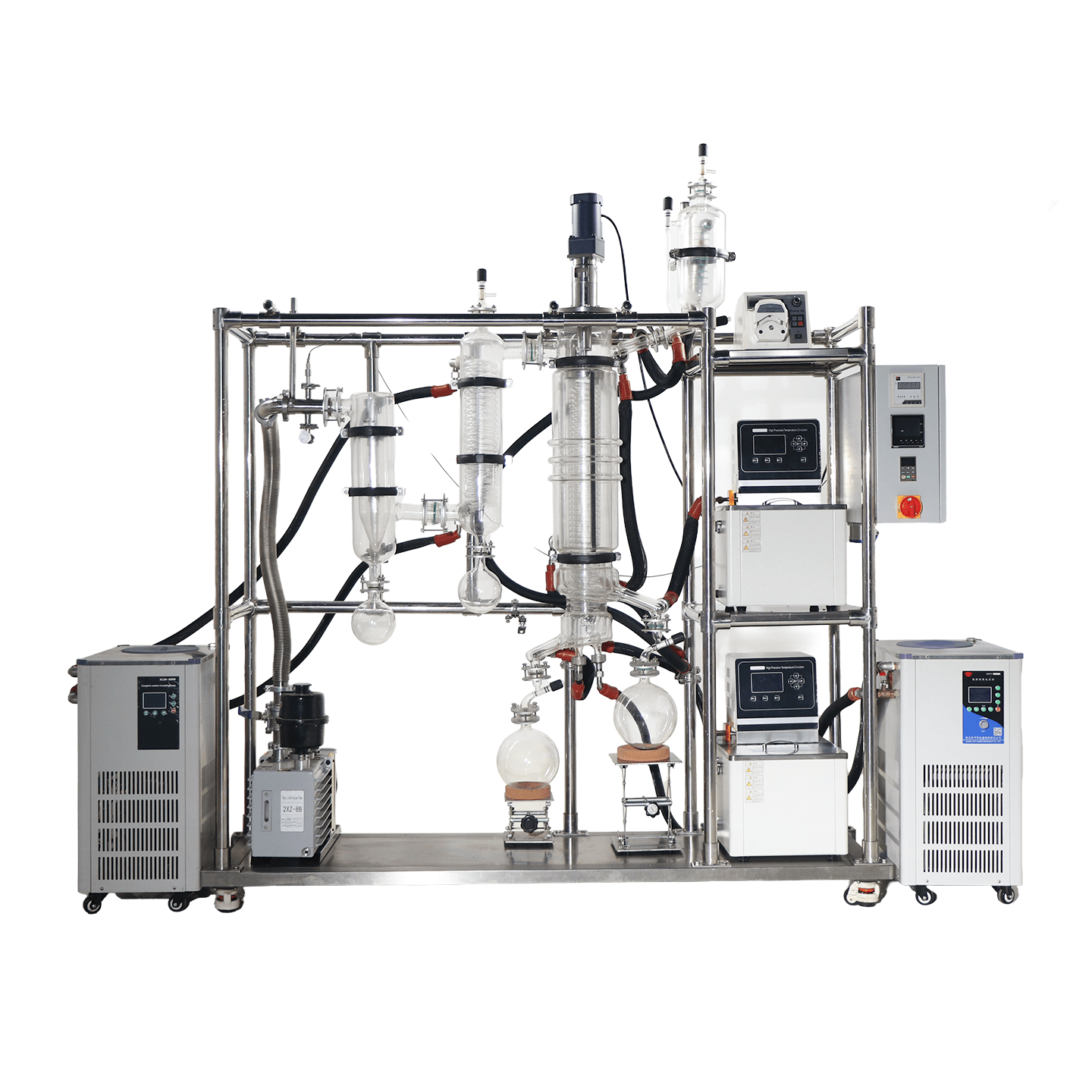
Compared with traditional distillation equipment, a rotary evaporator provides continuous flask rotation, vacuum operation, and a larger evaporation surface. This generally allows faster and more efficient solvent removal at lower temperatures.

Related Products


    *We respect your confidentiality and all information are protected.

    Service Details

    Isso

    ISO International Management System Certification

    ISO certified to ensure product quality and reliable performance
    En

    Environmental Management System Certification

    Committed to environmental protection and sustainable development.

    Ce

    CE Certification

    Certified to meet European safety, health, and environmental protection standards

    Facebook
    WhatsApp
    LinkedIn
    Email
    Scroll to Top